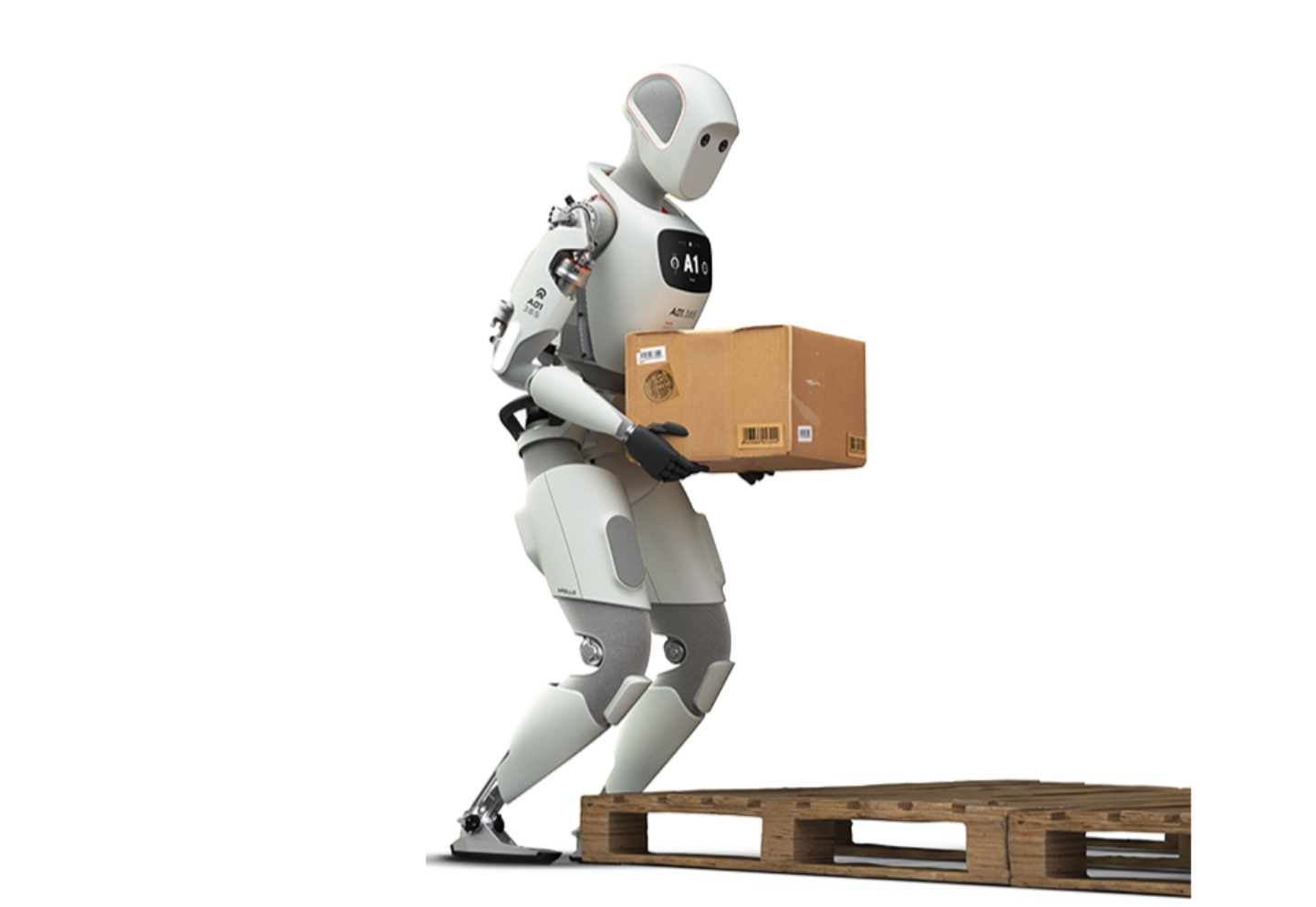
Honda unveiled ASIMO — the first humanoid robot — in 2000.
Twenty-four years later, the 2035 setting of I, Robot is just a decade away. How close are we?
1. Humanoid Robots Today
출처 = 오픈AI
OpenAI's humanoid robot debut triggered comparisons to I, Robot and The Terminator — a measure of how unsettling the pace of AI-driven robotics has become.
The field's current benchmark for human-likeness is Engineered Arts' Ameca, which deflects sensitive questions and delivers jokes with enough naturalism to raise the question of whether humanoids have crossed — or are approaching — the uncanny valley.
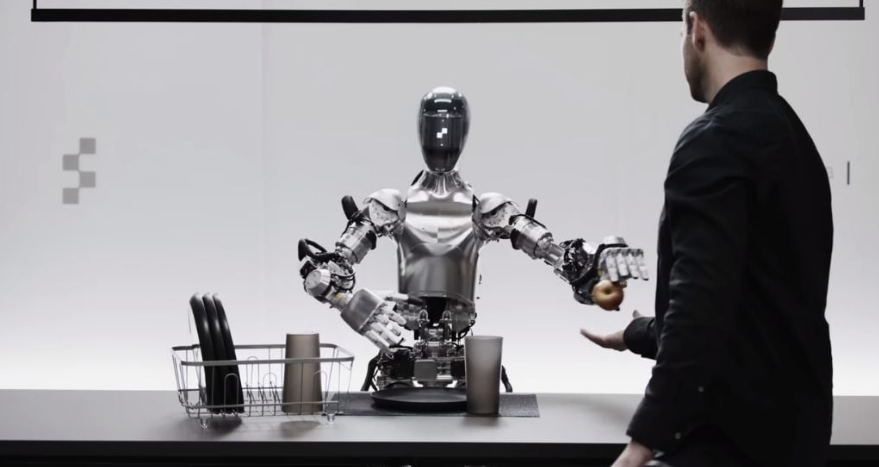
Current limitations remain real: motion is not yet fluid, and command execution is slow. But given the trajectory of AI and robotics in 2024, the human-robot coexistence depicted in I, Robot's 2035 no longer looks implausible. Figure 01 (OpenAI × Figure) selecting an apple from a cluttered table on a verbal request may be just the beginning.
2. Development Landscape & Market Outlook
1) Key platforms
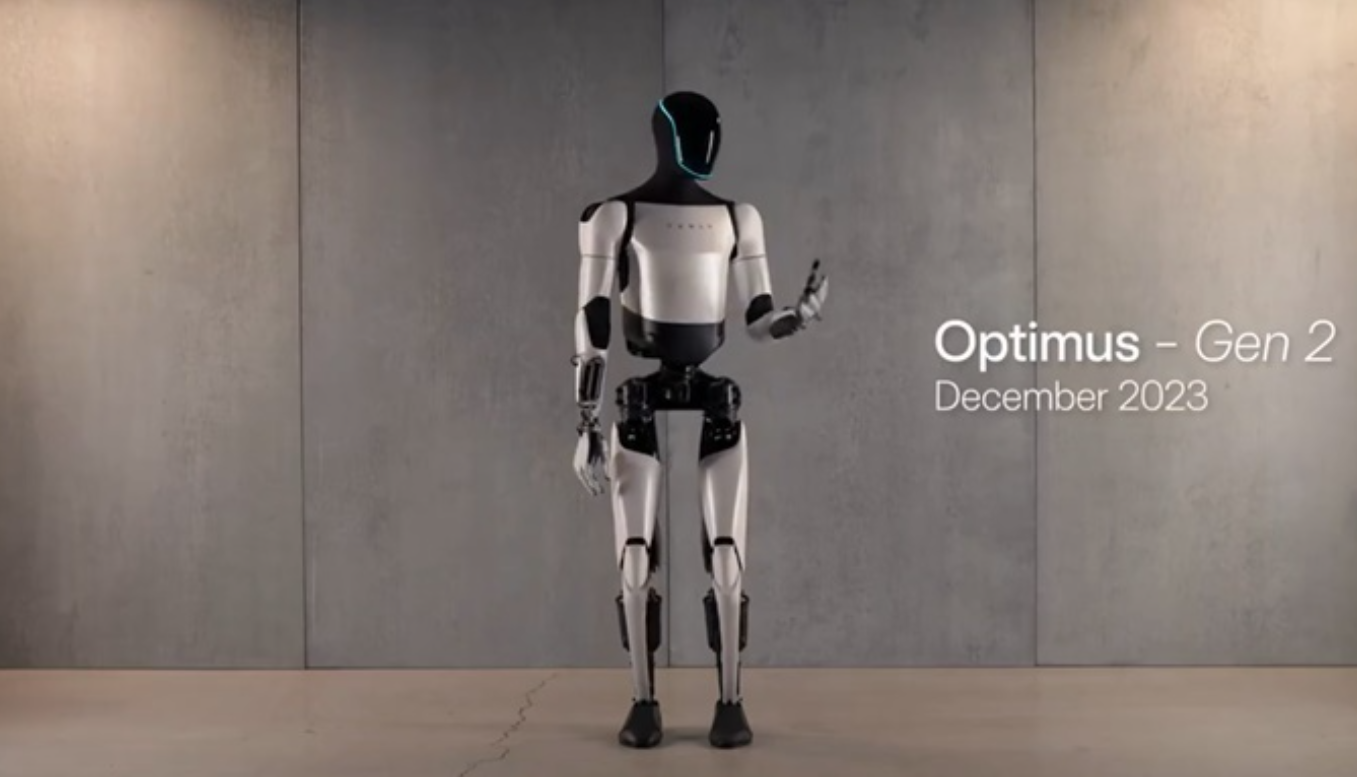
Tesla's Optimus Gen 2 (late 2023) delivered meaningful gains in gait speed and joint dexterity over Gen 1, with commercialization targeted within five years.
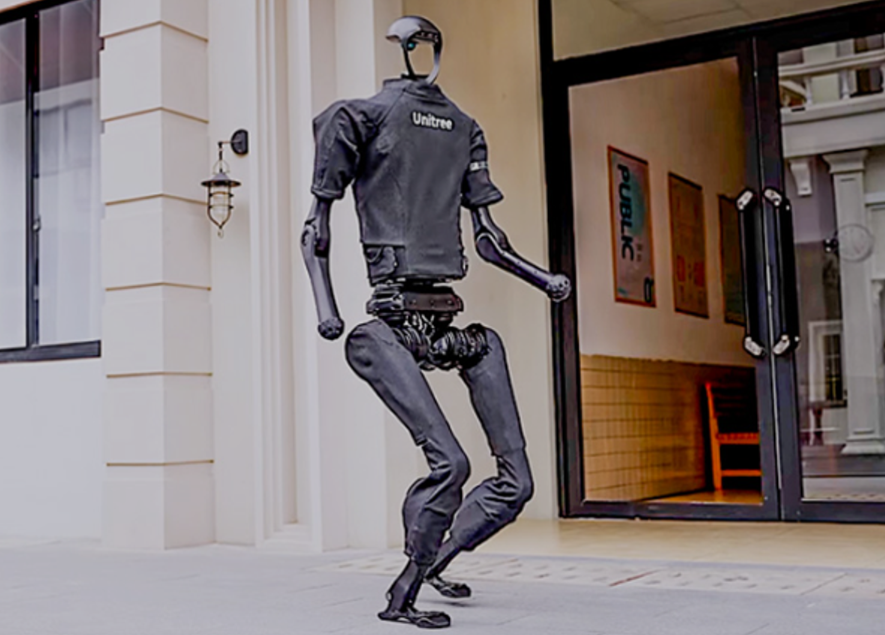
China's Unitree Robotics — leveraging quadruped locomotion expertise — launched the H1 bipedal humanoid, targeting commercialization within three years.
2) Market projections
Multiple research firms forecast explosive growth over the next 6–7 years:
Source | Projection |
|---|---|
SkyQuest Consulting | 42.1% CAGR through 2028 |
MarketsandMarkets | 63.5% CAGR over 6 years |
Emergen Research | Market grows 62.5% from $1.02B (2021) to 2027 |
Yahoo Finance | 49.37% CAGR → $9.84B by 2026 |
Goldman Sachs projects 660,000 humanoid units installed globally by 2030 — putting everyday encounters well within reach.
3. Coexistence Challenges
Isaac Asimov's Three Laws of Robotics — from the original I, Robot source material — remain a useful ethical frame:
- A robot may not injure a human being, or through inaction allow a human being to come to harm.
- A robot must obey human orders, except where they conflict with the First Law.
- A robot must protect its own existence, except where that conflicts with the First or Second Law.
Widespread service robot deployment is already surfacing real debates around employment displacement, ethics, and data privacy. There are no clean answers — but as technological progress cannot be halted, building consensus on human-beneficial deployment is more urgent than ever.
Elon Musk framed Optimus' purpose plainly: handling dangerous, repetitive, and tedious work, making physical labor "optional" in the future. The goal — robots as partners, not threats — is one worth holding to.

Safetics helps manufacturers eliminate cost and procedural barriers in collaborative robot safety.