
Disney's Big Hero 6 imagines a care robot — Baymax — that genuinely heals grief and provides unwavering companionship. It's a compelling vision. But what future will robots actually deliver?
1. The Challenges Ahead
Aging is arguably the most acute structural challenge of our time.
Rising life expectancy is driving rapid growth in the elderly population, while falling birth rates, delayed workforce entry, and healthcare labor shortages are eroding the productive-age base needed to support them.
Korea's government has acknowledged the gravity: its 2030 plan calls for deploying one million robots across industry and society in response to projections that the working-age population will fall below half its current level within fifty years.
The gap is already visible. Manufacturing sites face chronic understaffing; demand for care workers has surged 133%. High-risk, physically demanding roles will continue to see workforce aging and entry barriers worsen without structural intervention.
2. Robots as Part of the Answer
1) Collaborative Robots (Cobots)
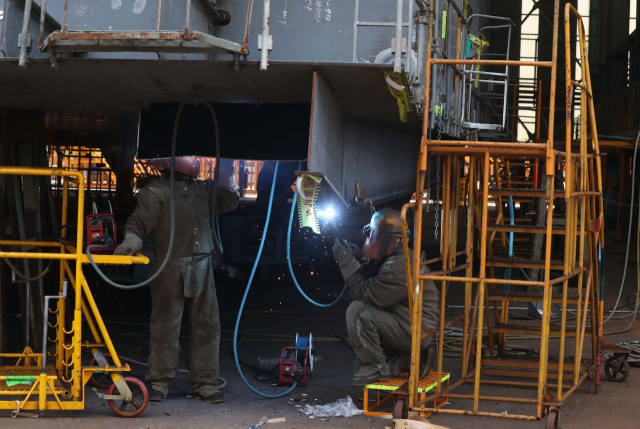
Cobots — industrial robots with integrated safety functions enabling shared workspaces with humans — are already improving conditions in harsh manufacturing environments. Hanwha Ocean's welding robot deployment is a strong reference: operators supervise and monitor rather than perform the hazardous work directly.
2) Wearable Robots & Robotic Prosthetics
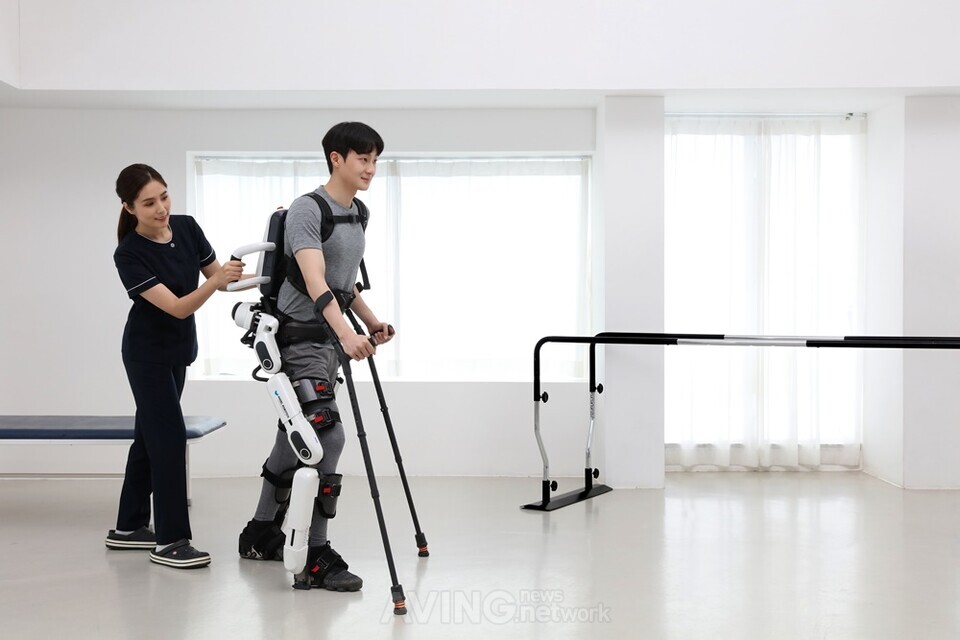
Exoskeletons augment physical capability for workers in high-intensity roles across manufacturing, construction, and defense, while also supporting rehabilitation for people with disabilities or age-related mobility loss.
A neural-interfaced robotic prosthetic leg — responding to the wearer's intended movements rather than pre-programmed gait patterns — is projected to reach clinical availability within five years.
Lead researcher Professor Hugh Herr described it as pointing toward "an exciting future" capable of aperiodic, unstable movement tasks including dance.
3) Care Robots & Companion Robots
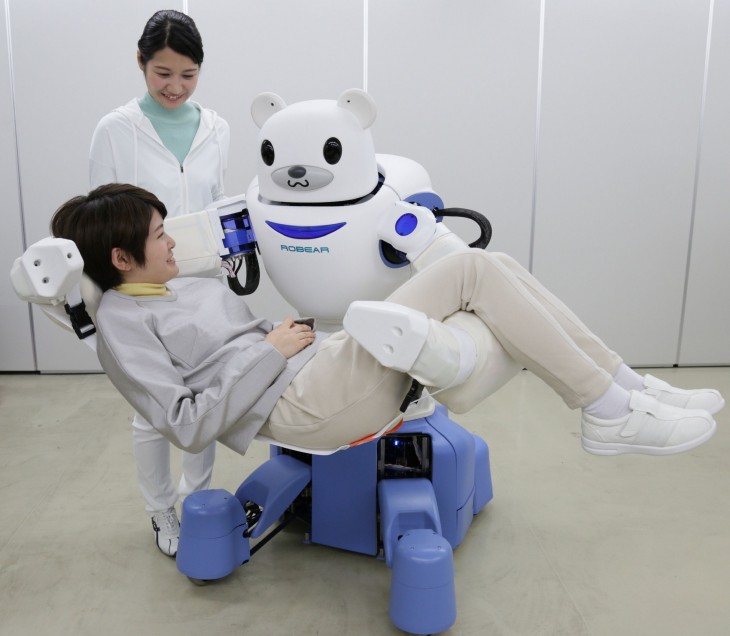
Care robots address the elderly support gap directly, providing companionship, emergency alerting, medication reminders, and health data management — while also accelerating AI and IoT adoption as a secondary effect.
Samsung Life Insurance recently launched Korea's first dementia insurance product bundled with a care robot.
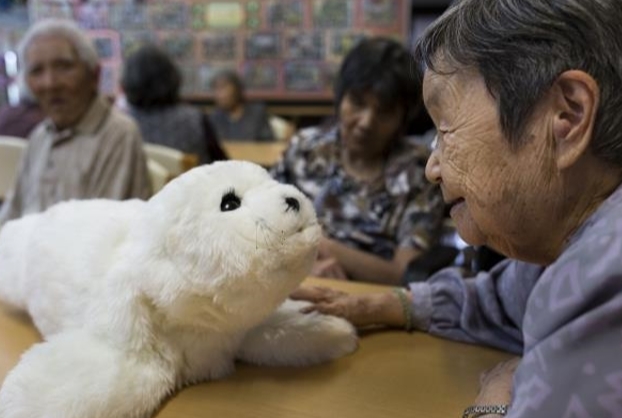
Companion robots extend beyond elder care into children's education and, with advancing AI, increasingly naturalistic conversation and emotional engagement.
4) Other Applications
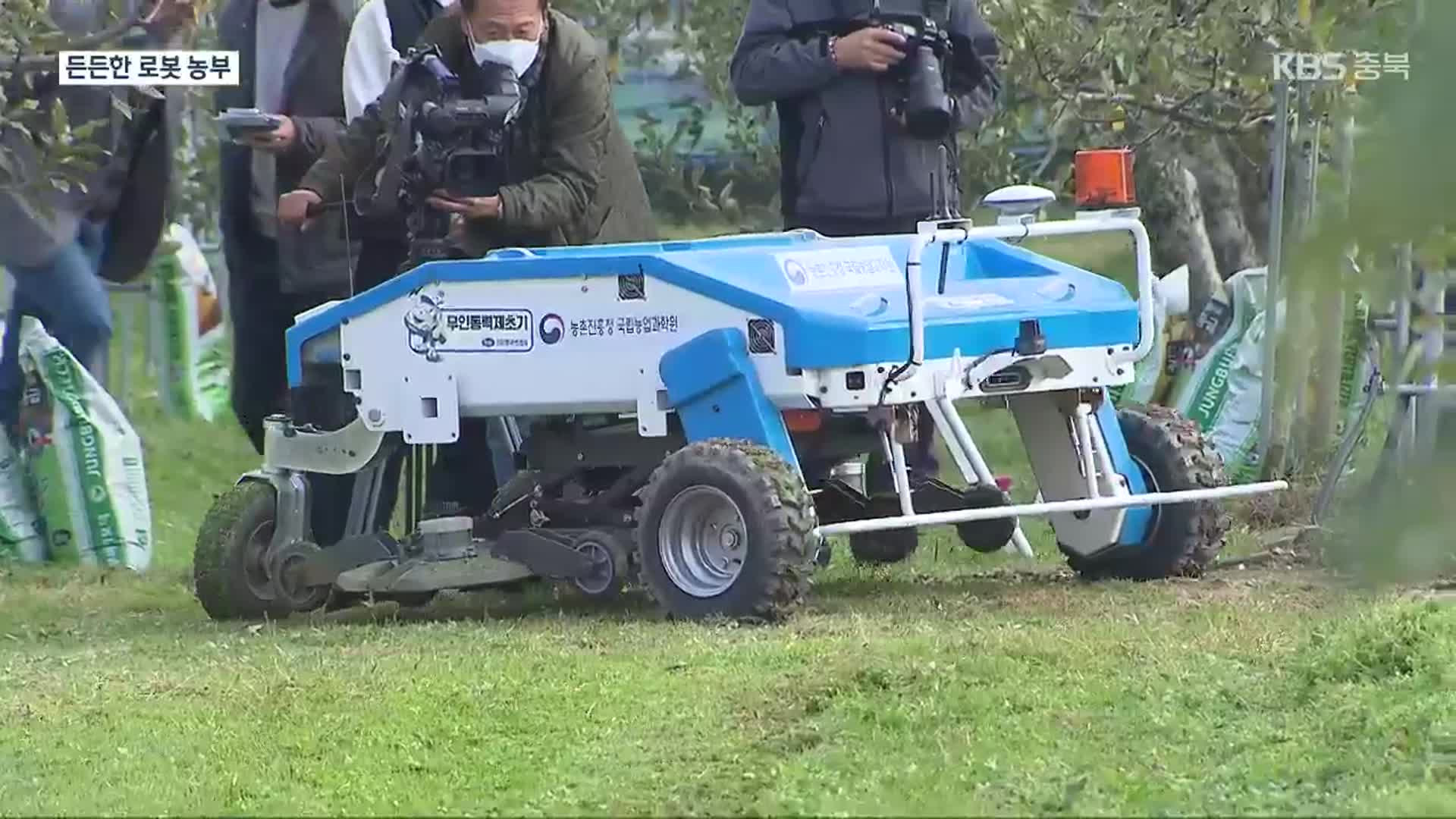
Soft robots for grocery bagging address needs that may seem trivial but are essential for people with limited strength or disabilities. In agriculture, weeding robots and crop-spraying robots are approaching commercialization — critical relief for aging, chronically understaffed rural communities that smart farm technology alone cannot fully serve.
3. A More Hopeful Future
Demographic decline, manufacturing rigidity, and rural depopulation paint a daunting picture — but the breadth of robot development underway shows that the answers are being actively built. Robots as heroes isn't just a film premise. It may be the most practical path forward.

Safetics helps manufacturers eliminate cost and procedural barriers in collaborative robot safety.