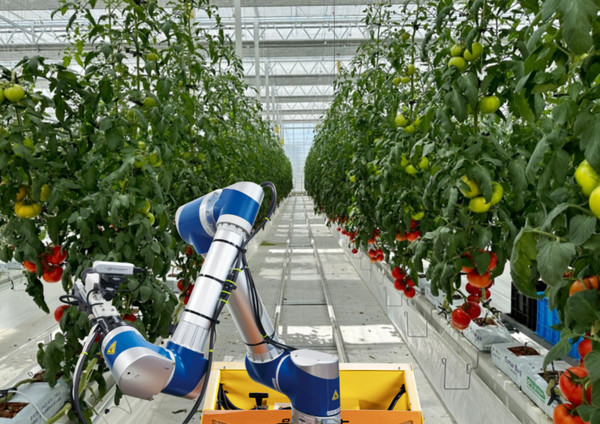
Parts 1–3 covered robot fundamentals, manufacturing, and everyday service applications.
This final installment explores primary industries and the expanding frontier of robot deployment.
1. Agriculture
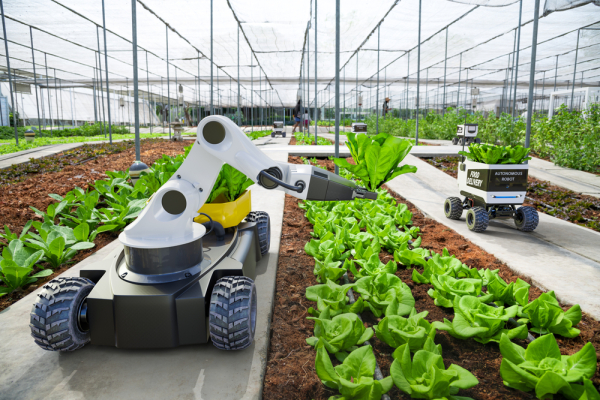
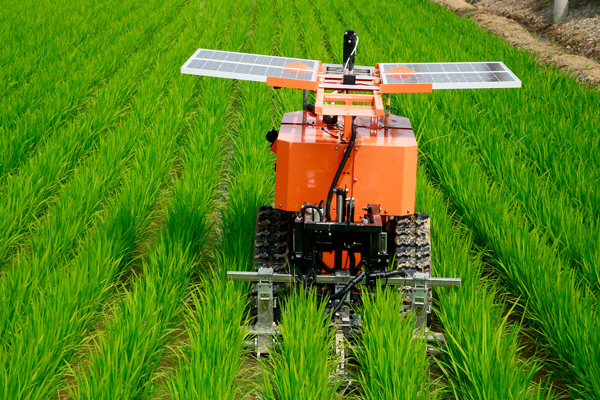
Labor shortages are forcing Korean farmers to abandon fields — reportedly 30% of green tea plantations and half of chili pepper farms have gone fallow. Agricultural robots offer a partial solution, handling seeding, harvesting, and transport.
The current limitation: today's technology requires a dedicated robot per task rather than a single multipurpose unit, making full-farm automation cost-prohibitive.
Targeted deployment on the most labor-intensive operations in rice-centric Korean agriculture would nonetheless deliver significant impact.
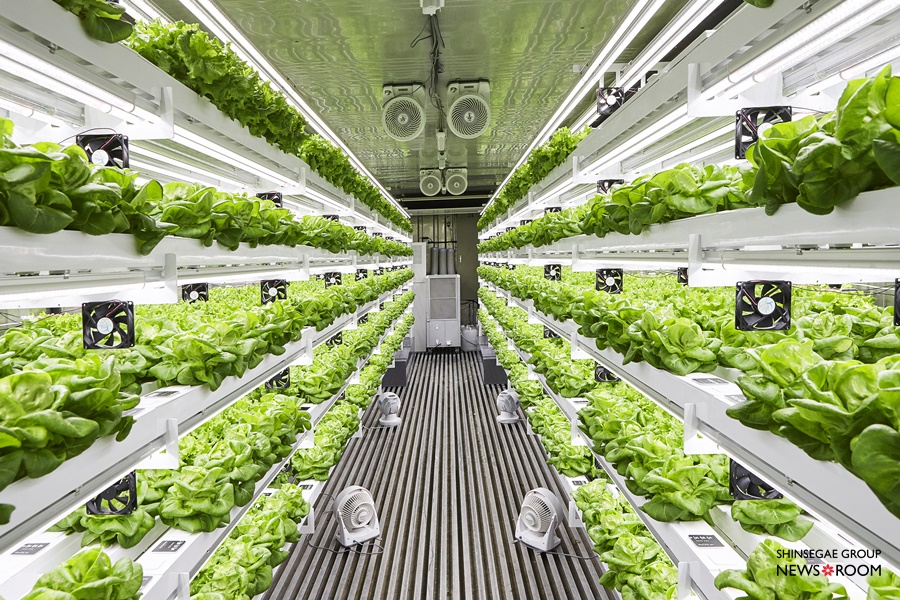
For controlled-environment farming, smart farms — integrating AI, IoT, and big data — are the clear growth trajectory.
Year-round production with controllable harvest and distribution timing addresses food security directly.
Adoption remains limited by ICT literacy barriers and upfront costs, but supportive policy and technical assistance are accelerating uptake.
2. Livestock
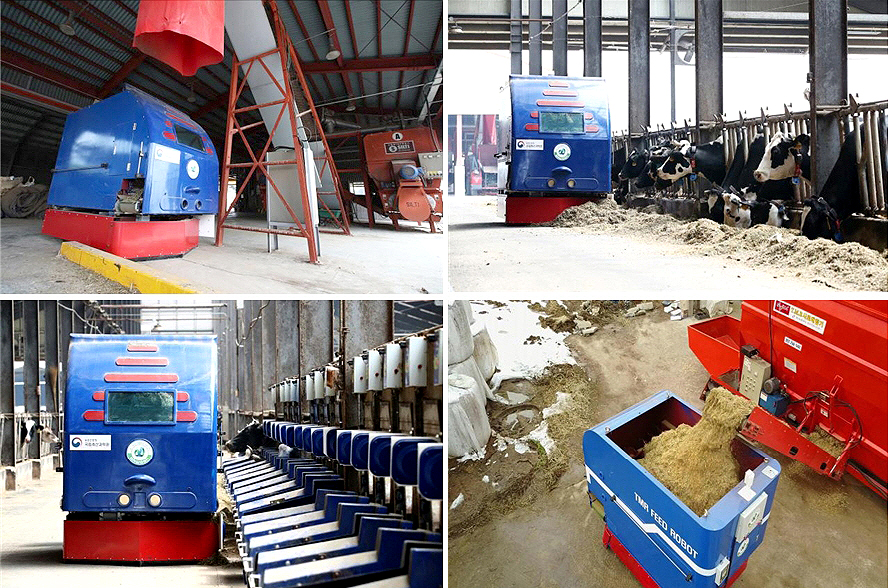
Fully autonomous livestock robots now handle feeding, milking, and barn maintenance without human intervention — a critical lifeline for an industry facing acute labor shortages.
3. Specialized & Emerging Applications
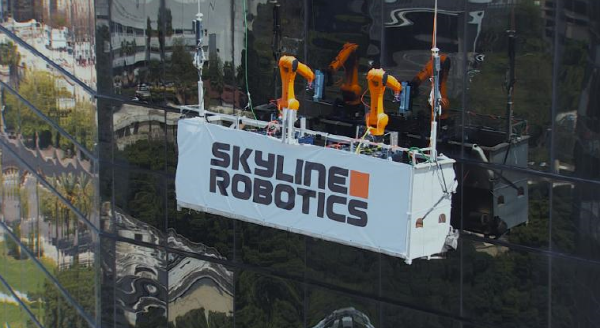
High-rise cleaning robots — Exterior facade cleaning at height is among the most hazardous human occupations. Dedicated climbing robots now perform this work autonomously, eliminating worker exposure.
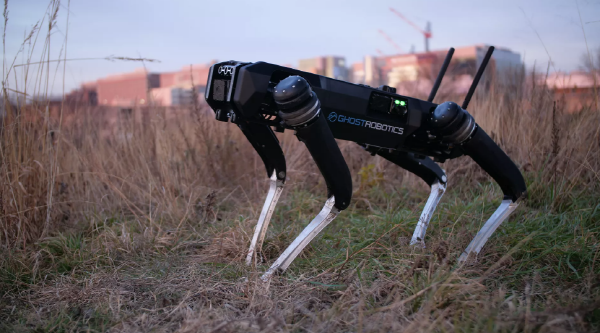
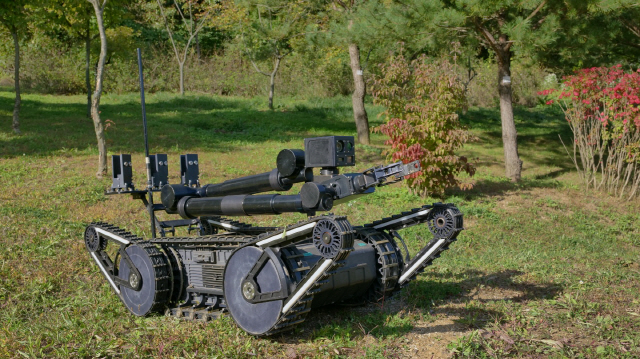
Robot dogs / EOD robots — Quadruped robots navigate confined spaces and hostile environments for military reconnaissance; explosive ordnance disposal (EOD) robots detect and neutralize munitions in place of human technicians.
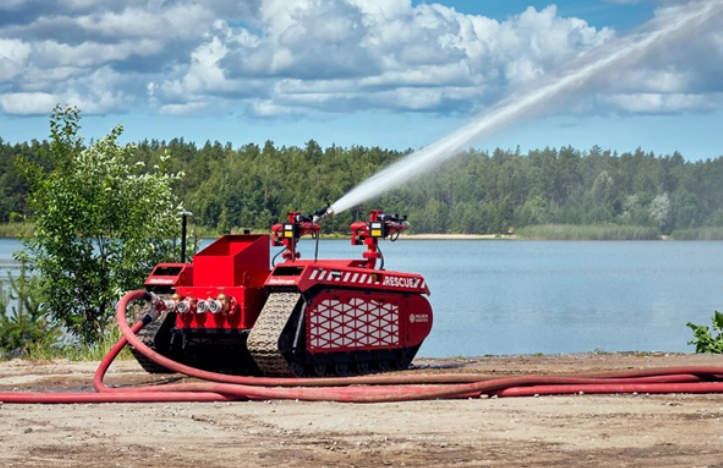
Firefighting robots — Capable of discharging thousands of liters of suppressant directly into fire scenes, these robots substitute for personnel in the most dangerous suppression scenarios.

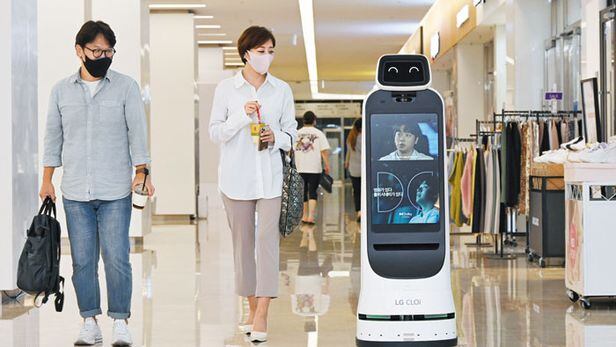
Companion & guide robots — Companion robots provide conversation, medication reminders, and time/weather updates — emerging as a scalable response to Korea's rapidly aging population and care-worker shortage. Guide robots are deployed in airports (check-in counter directions), shopping malls (wayfinding), and cinemas (showtime alerts).

Robots already occupy far more of daily life than headlines about humanoids or AGI might suggest. As they take on dangerous, labor-scarce, and companionship roles alike, one principle remains paramount: safety is the foundation of human-robot coexistence.

Safetics helps manufacturers eliminate cost and procedural barriers in collaborative robot safety.