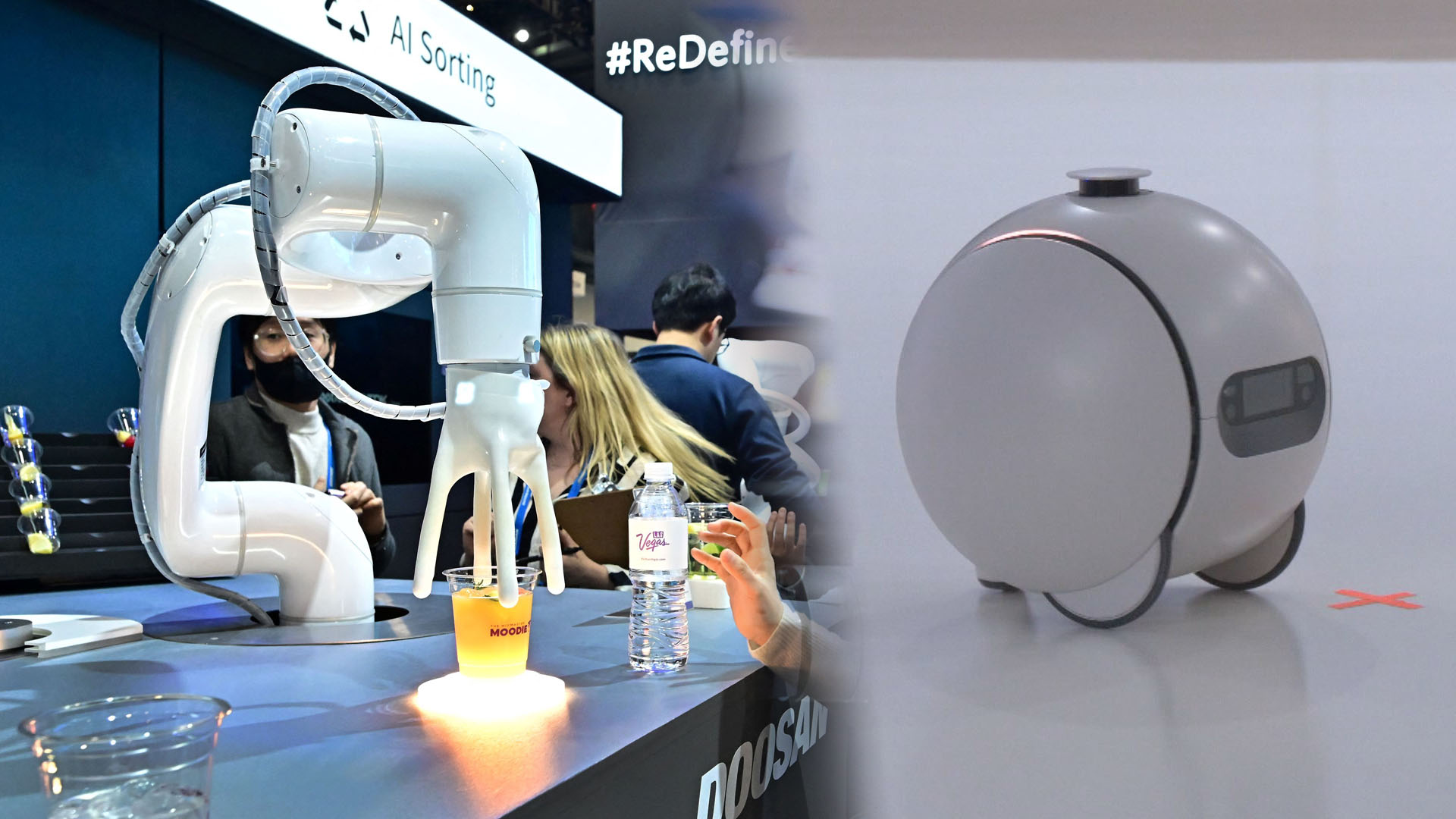
Robots are no longer confined to industrial settings — everyday encounters are increasingly the norm. Part 3 surveys real-world deployments across healthcare, logistics, and food service.
1. Healthcare
1) Surgical Robots
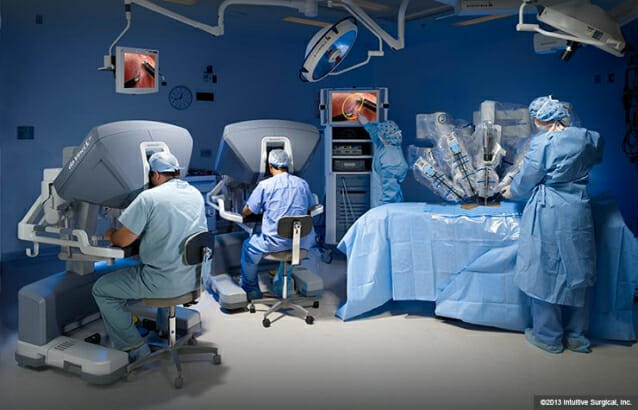
Medical robots support the full care continuum — treatment, recovery, prevention, and rehabilitation.
Surgical robots are the most prominent example, now routinely deployed in laparoscopic, endoscopic, and neurosurgical procedures. Key advantages: access to anatomically difficult sites and minimized scarring.
Current systems are predominantly surgeon-operated via teleoperation; AI-driven autonomous assistance is the likely next frontier.
2) Wearable Robots (Exoskeletons)
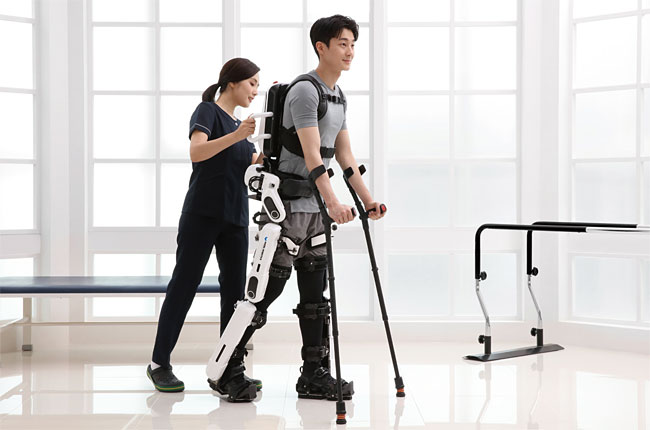
Angel Robotics' Angel Suit is the defining Korean example — an exoskeleton enabling independent standing and walking for patients with spinal, neurological, or muscular conditions.
A parallel application is emerging for industrial workers performing high-intensity repetitive tasks: muscle-assist wearable suits for fatigue reduction and injury prevention are approaching commercialization.
3) Healthcare Service Robots
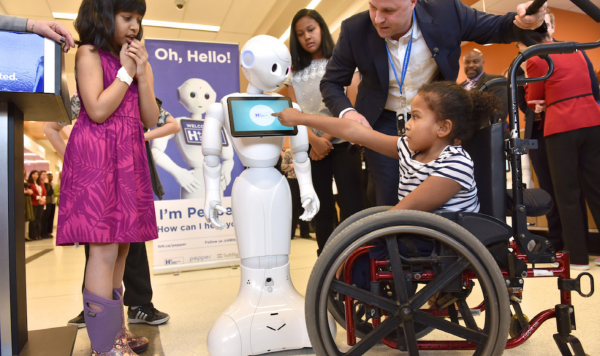
The Fourth Industrial Revolution is driving robots into broader clinical roles.
Representative examples include Silbot, a dementia-prevention robot with embedded memory and cognitive training programs, and Pepper, deployed for hospital navigation assistance and patient engagement.
2. Logistics & Distribution
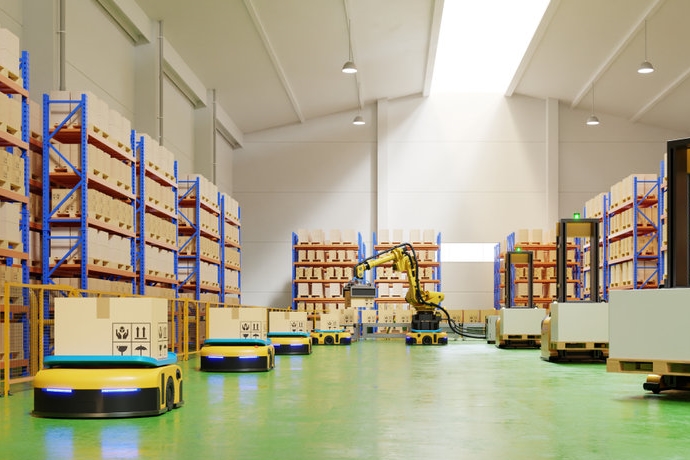
Advances in autonomous navigation have expanded robot deployment across fulfillment and last-mile delivery. Logistics robots are now indispensable in fulfillment centers serving the global e-commerce market.
Baemin's delivery robot Dilly — operational at Incheon Airport among other venues — handles food and beverage delivery end-to-end, app-controlled with no queuing required.
3. Food Preparation & Service
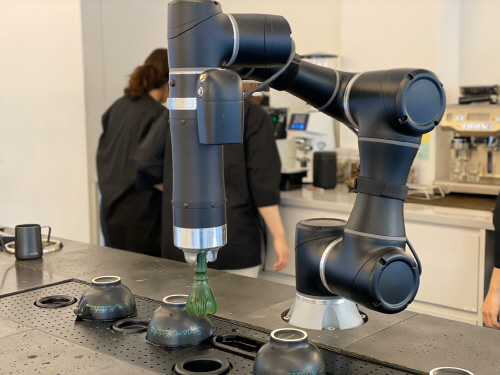
Robotic food preparation is increasingly visible: unmanned cafés and robot-operated cooking stations (including a matcha café in Seongsu-dong where a robot performs traditional hand-frothing) are now commonplace.
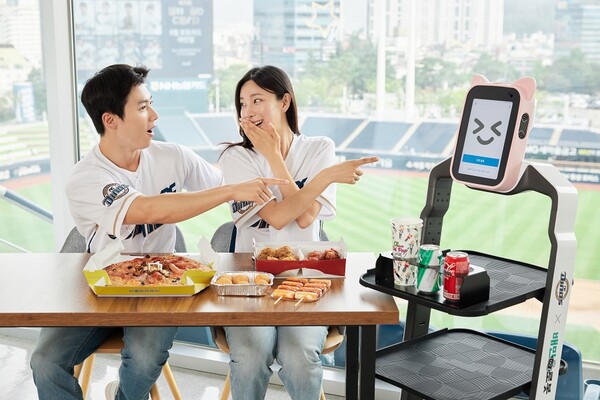
Most ubiquitous of all is the service robot — removing dishes and confirming table completion has become a standard part of the dining experience across Korea.
Part 4 concludes the series with robot applications in fields you might not expect — stay tuned.

Safetics helps manufacturers eliminate cost and procedural barriers in collaborative robot safety.