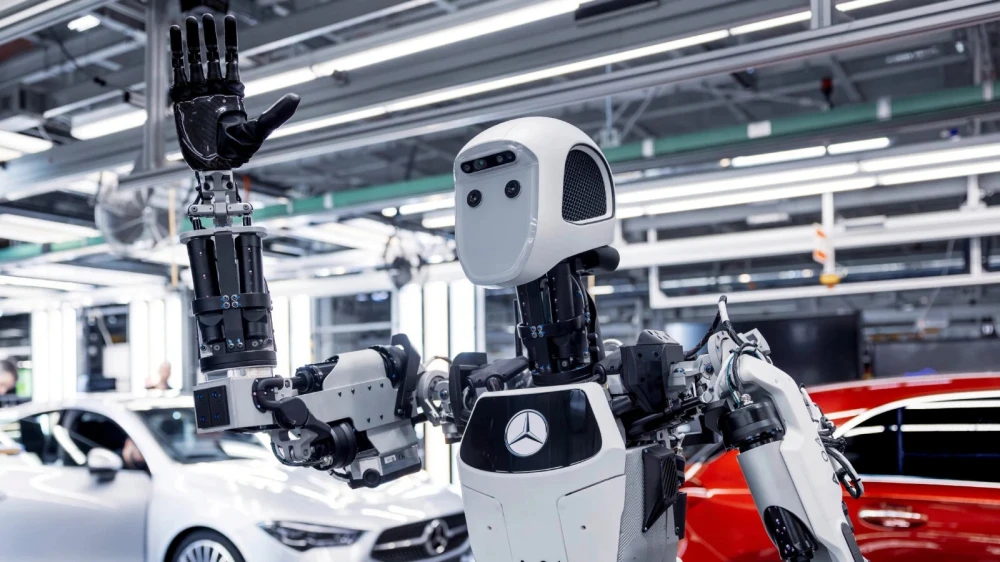
Part 2 surveys robot deployment across key manufacturing processes, with a glimpse at the automated factory of the future.
1. Manufacturing Use Cases
1) Assembly
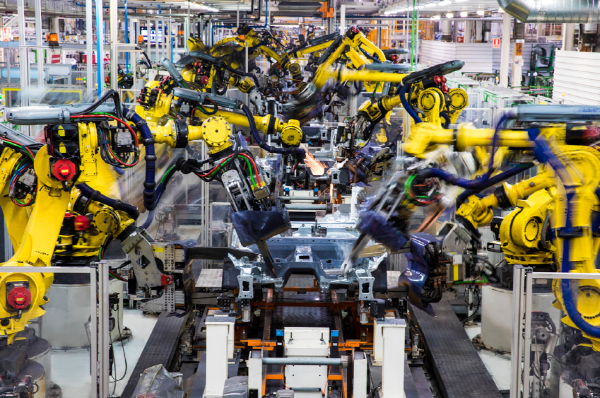
Most prevalent in automotive and electronics lines, assembly robots handle component joining and fastening.
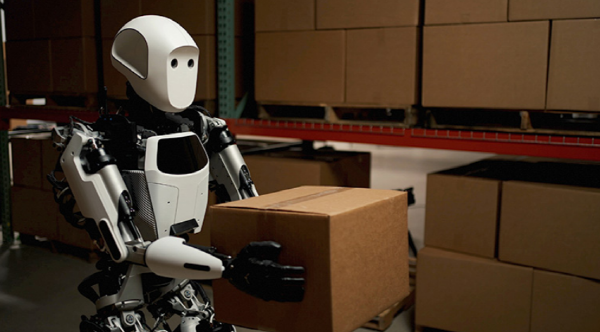
A notable 2024 development: Mercedes-Benz announced the introduction of humanoid robot "Apollo" on its production line — not for high-precision assembly itself, but for parts inspection and kit delivery to the line.
2) Welding
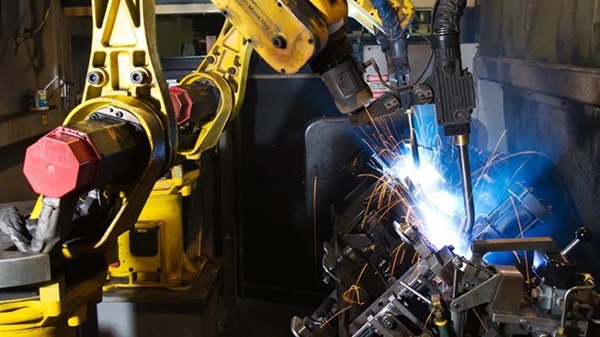
Welding (metal, glass, plastics via heat and pressure) is hazardous, highly skilled, and chronically understaffed. Hanwha Ocean's welding robot deployment is a strong reference case: by applying Power and Force Limiting (PFL) mode, the company eliminated safety fencing while achieving safety certification — meeting three demanding operational requirements:
- Minimal footprint — equipment configured within existing workspace constraints
- Flexibility — immediate, adaptive repositioning across varied weld geometries and part sizes
- Collaborative operation — shared workspace and intuitive controls for real-time weld parameter adjustment
(Case presented by Senior Researcher Kim Dong-young at Safetics' Robot Safety Seminar, November 2023.)
3) Palletizing
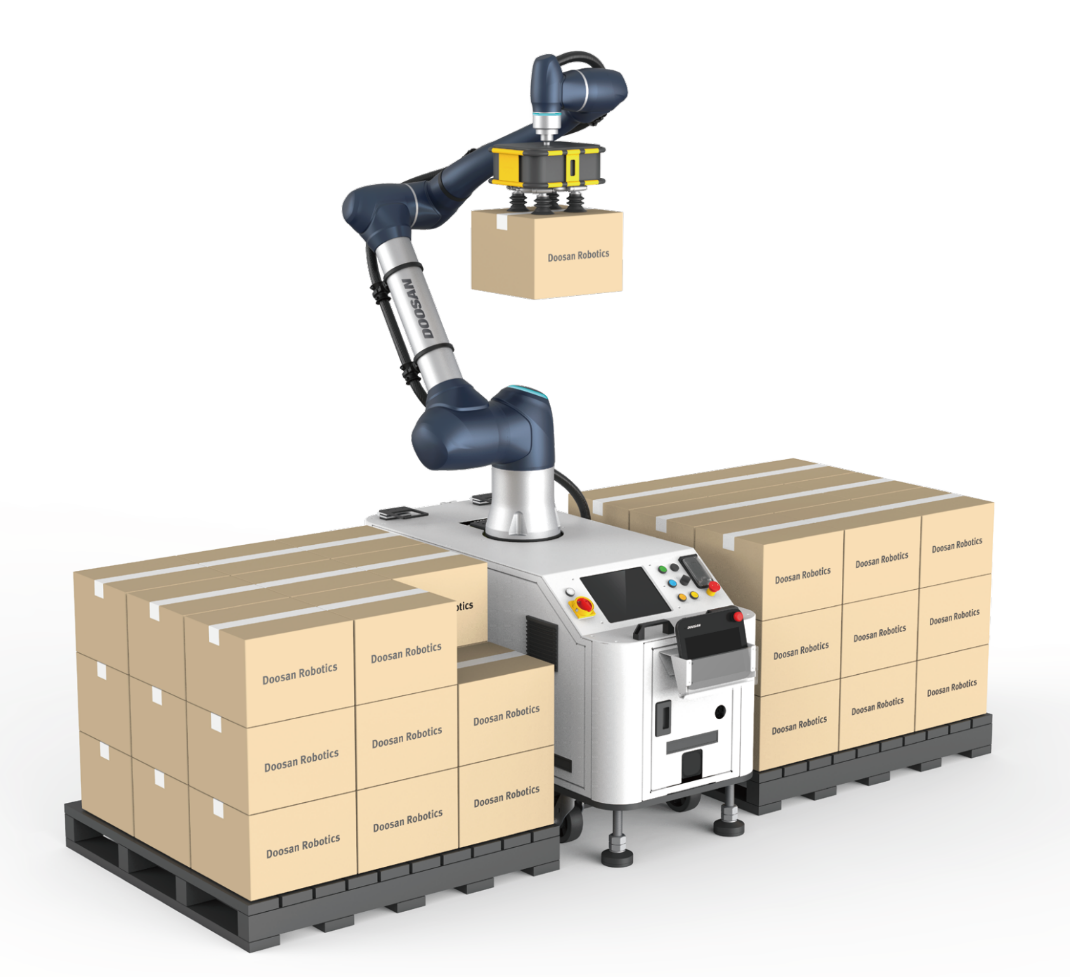
Palletizing — stacking goods onto pallets — spans manufacturing, logistics, and beyond. Its labor intensity and cross-industry demand make it one of the highest-volume robot application categories.
4) Machine-Tending
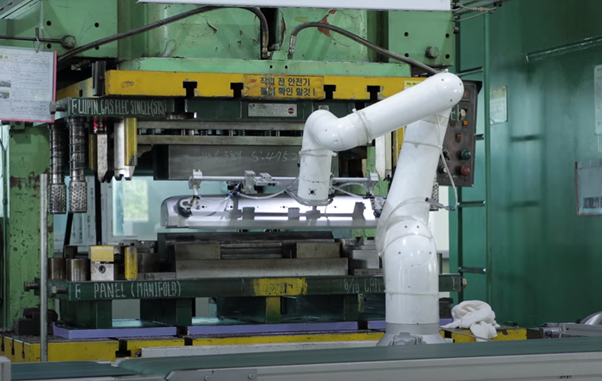
Machine-tending covers workpiece loading and unloading on CNC, injection molding, and similar equipment. The task demands precision yet is highly repetitive — exactly the conditions where human concentration and accuracy degrade and robots excel.
Additional manufacturing applications include pick-and-place, polishing, packaging, and quality inspection.
2. The Future: Lights-Out Manufacturing
As robot capabilities advance, individual processes interconnect into fully automated production flows. The endpoint — lights-out manufacturing, fully unmanned operation requiring zero human intervention — is already a reality in select facilities worldwide. FANUC, the world's largest industrial robot manufacturer by market share, itself produces robots in an unmanned factory.
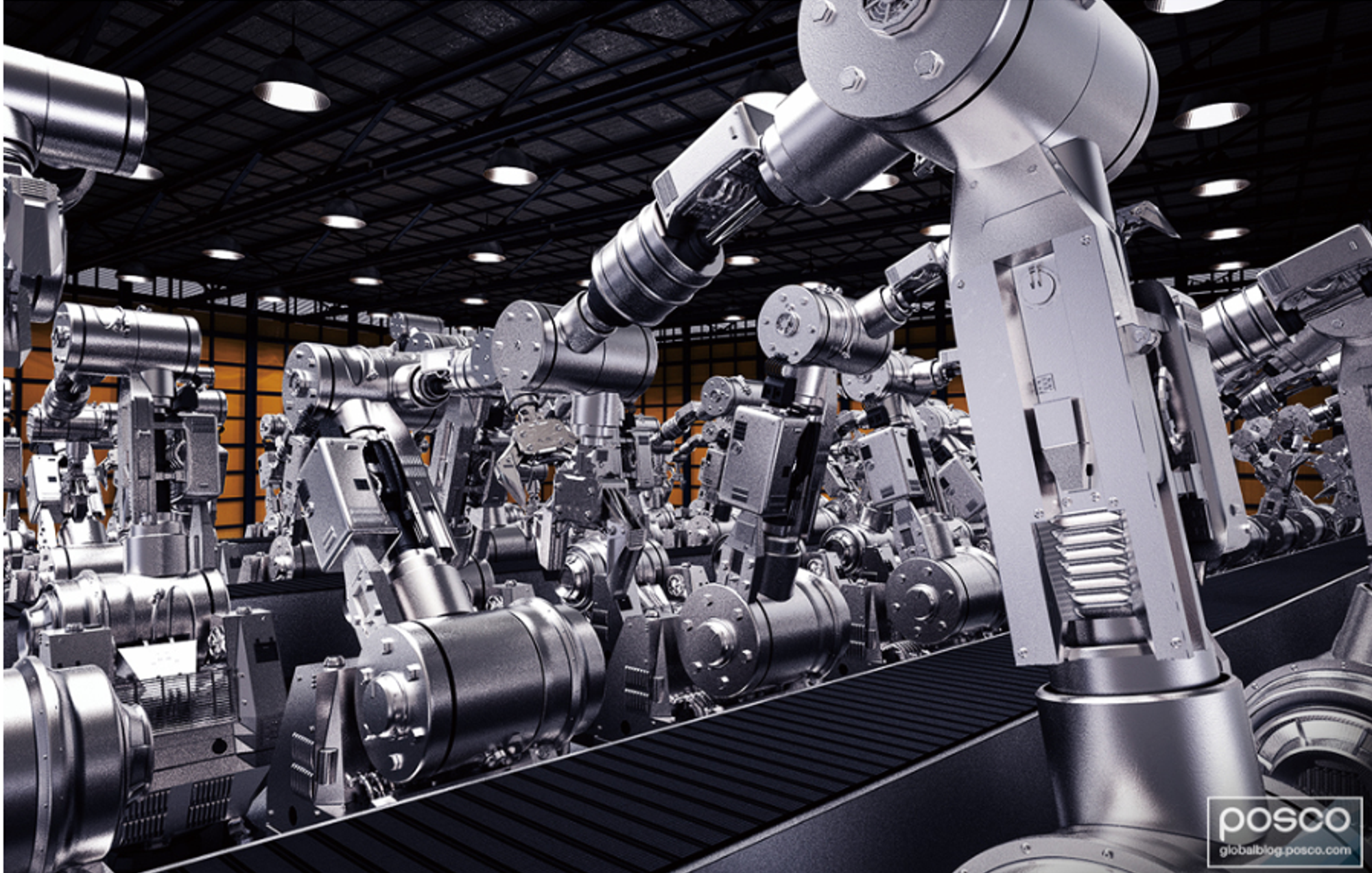
Workforce decline, ergonomic risk reduction, and productivity pressure make lights-out manufacturing an increasingly inevitable trajectory.
Part 3 moves beyond the factory floor — stay tuned.

Safetics helps manufacturers eliminate cost and procedural barriers in collaborative robot safety.