
Advances in AI and machine learning have enabled robots to perceive their environment and interact with humans. The food-service robot now commonplace in restaurants is just the beginning.
This series explores robot applications across industries: Part 1 covers definitions and development; Parts 2–4 examine real-world use cases.🧑🏫
1. What Is a Robot?
A robot is, at its core, a mechanical device that moves and acts autonomously.
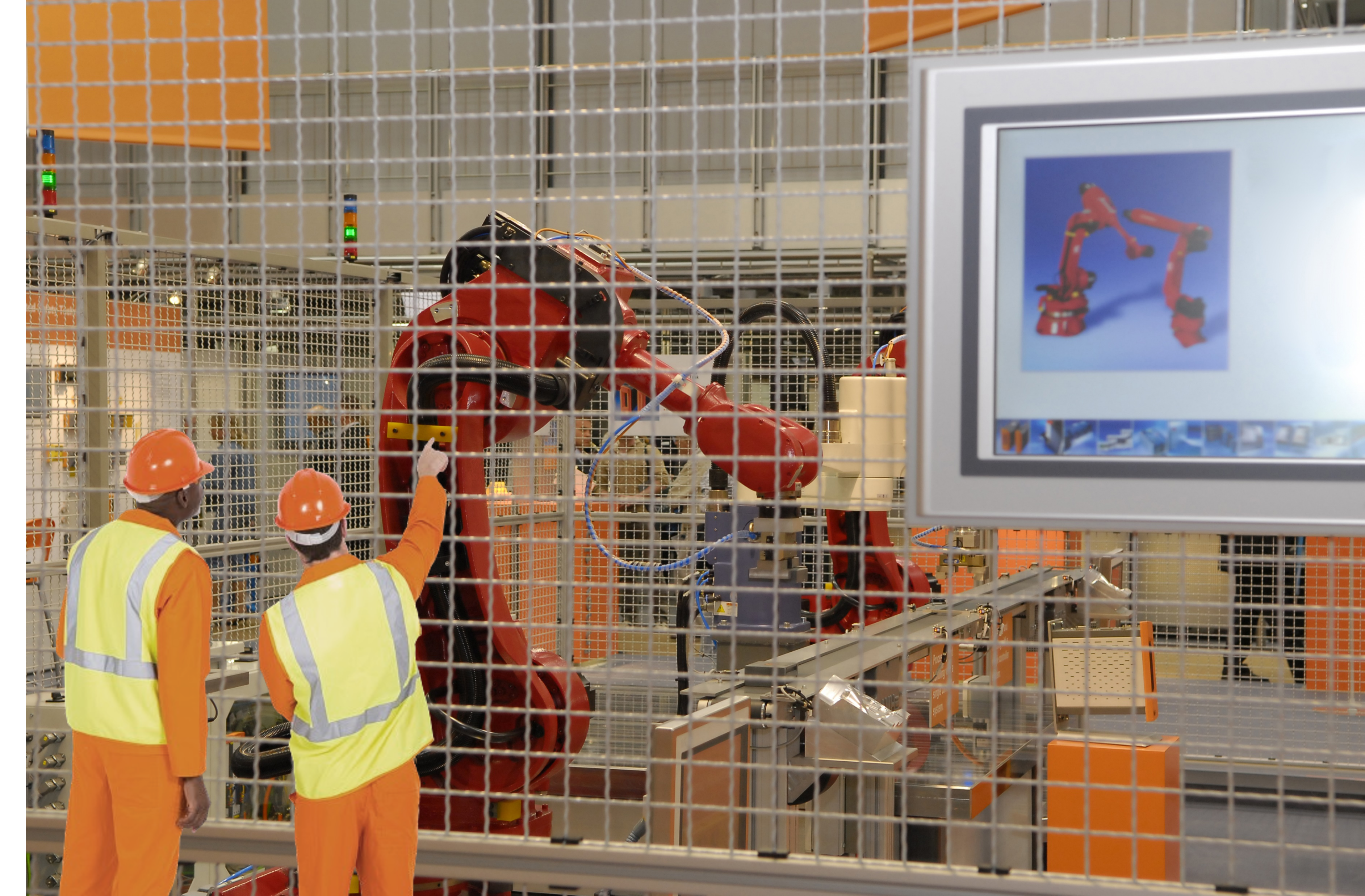
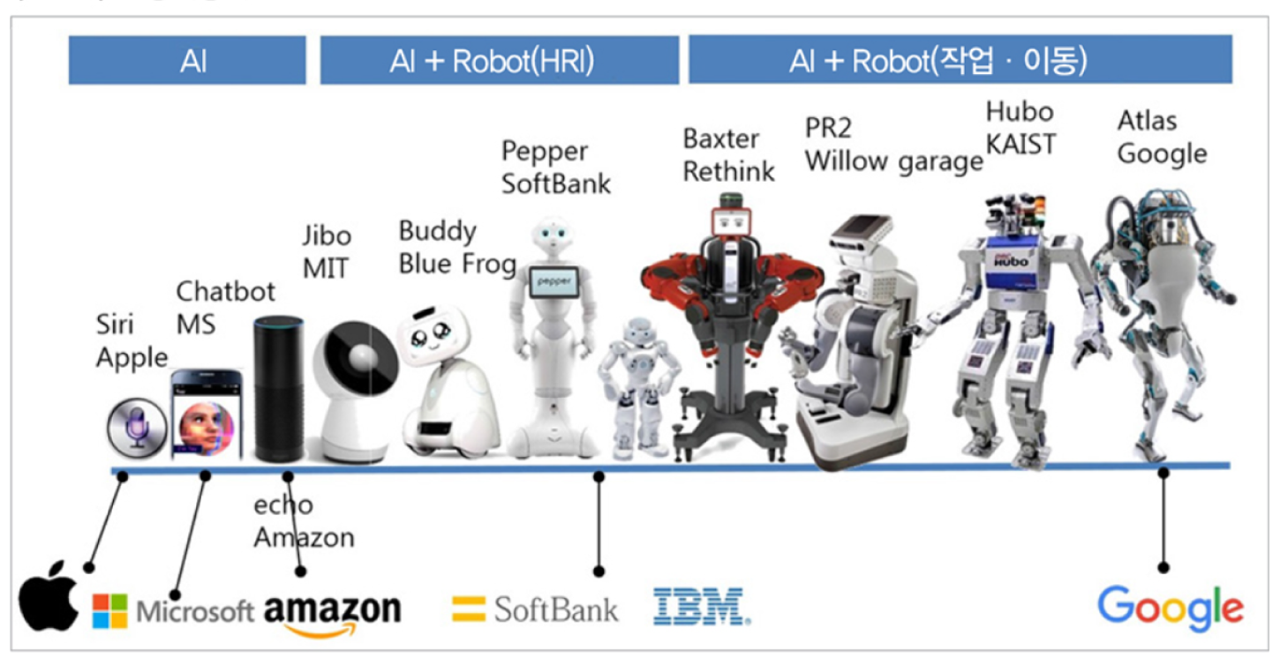
The trajectory of robotics development runs from simple machinery toward human-like interaction — enabling flexible, diverse deployment well beyond basic manufacturing and material handling.
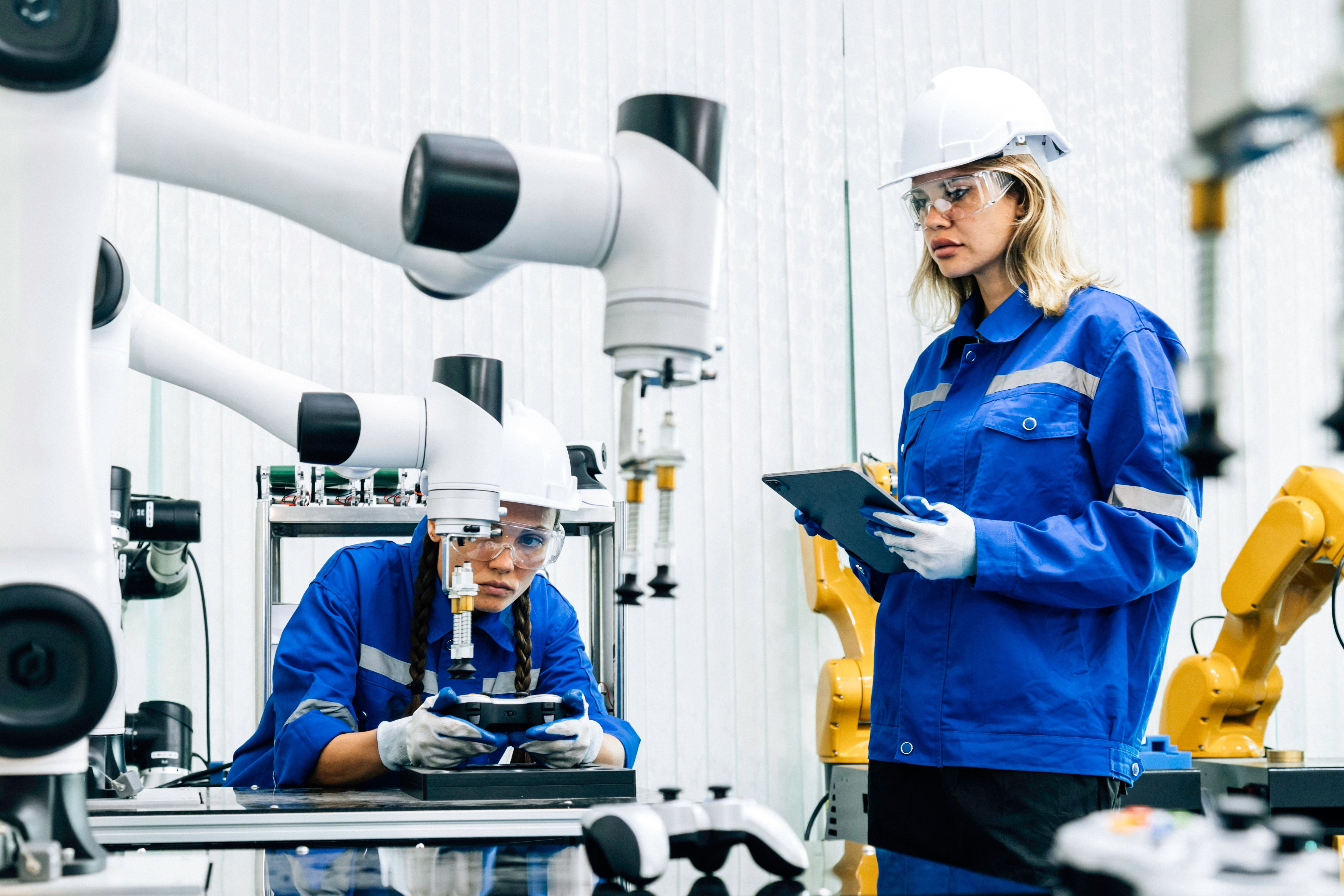
The human-robot shared workspace has expanded significantly.
Collaborative robots (cobots) have emerged alongside supporting technologies that make physical co-presence safe — most notably Power and Force Limiting (PFL), which allows cobot operation without fencing or external sensors.
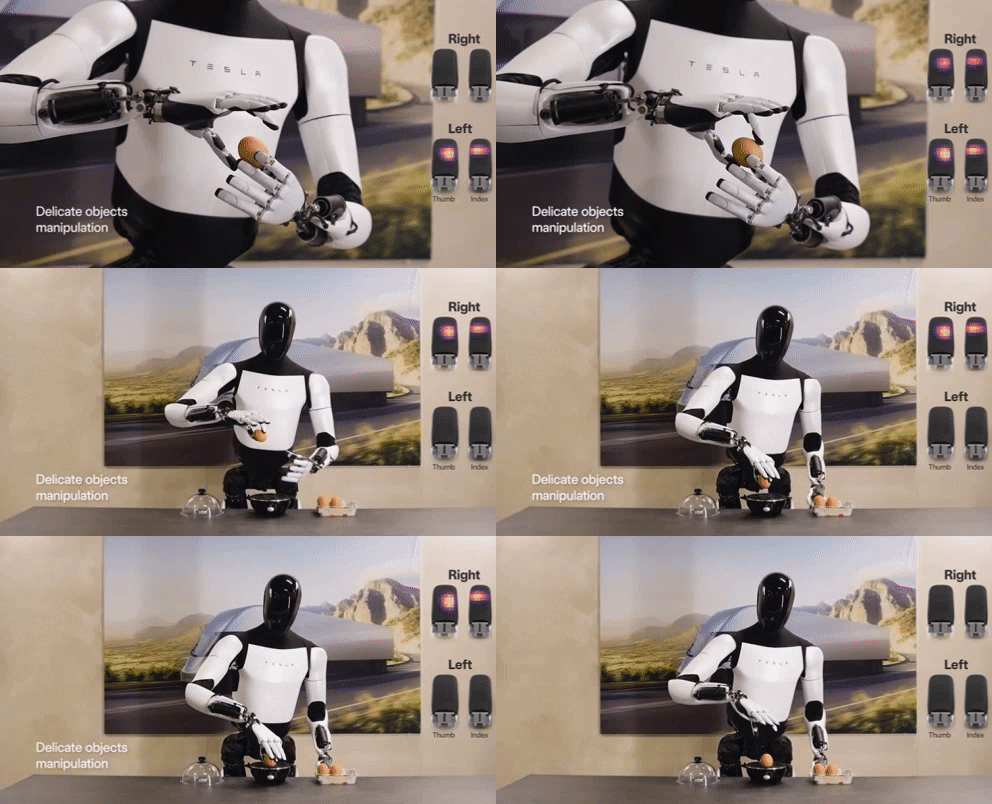
Humanoid robots are closing in on commercialization: Figure 01 (OpenAI) can hand a person an apple on request; Tesla's Optimus performs delicate egg-handling tasks.
2. Robot Development & Key Considerations
1) Technology Trajectory
Traditional industrial robots served high-volume, low-mix manufacturing — performing precise, repetitive, labor-intensive tasks (assembly, inspection, packaging) within foundational industries such as casting, molding, forming, welding, surface treatment, and heat treatment. The productivity gains and labor-cost reductions they delivered made factory automation the dominant paradigm.
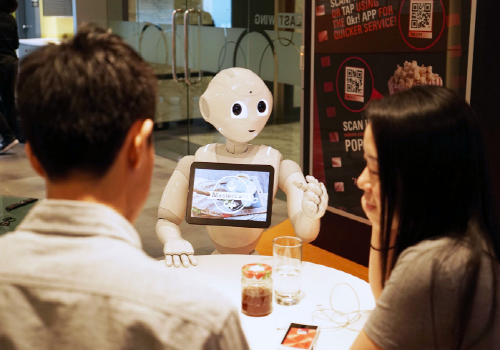
As of 2024, robotics and AI are advancing at an extraordinary pace, with new capabilities emerging almost daily.
2) Structure & Versatility: The End-Effector
Unlike industrial robots optimized for high-volume, low-mix production, cobots are designed for low-volume, high-mix applications. The key enabler is the end-effector — the interchangeable tool mounted at the manipulator's distal end, analogous to the human hand.
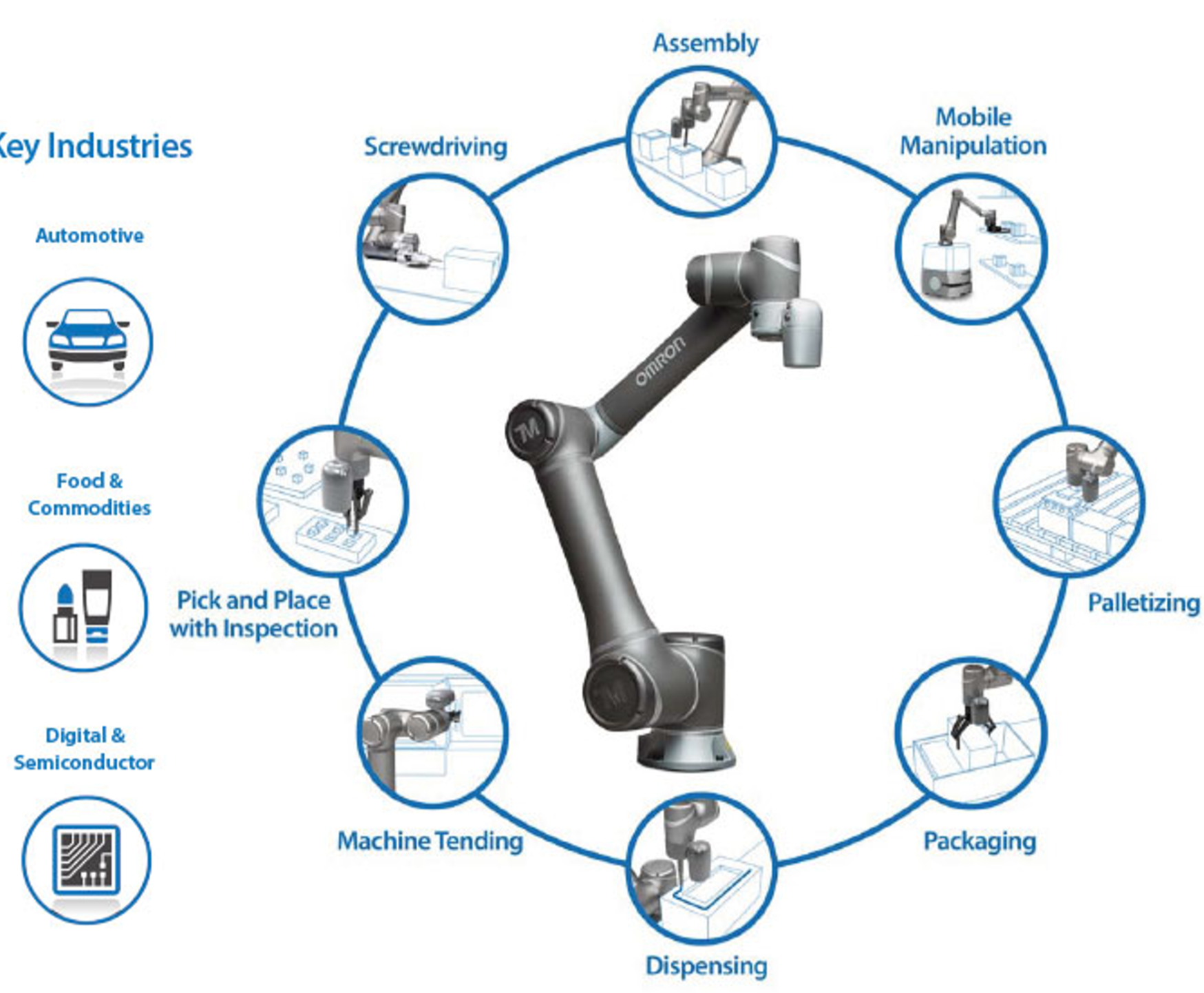
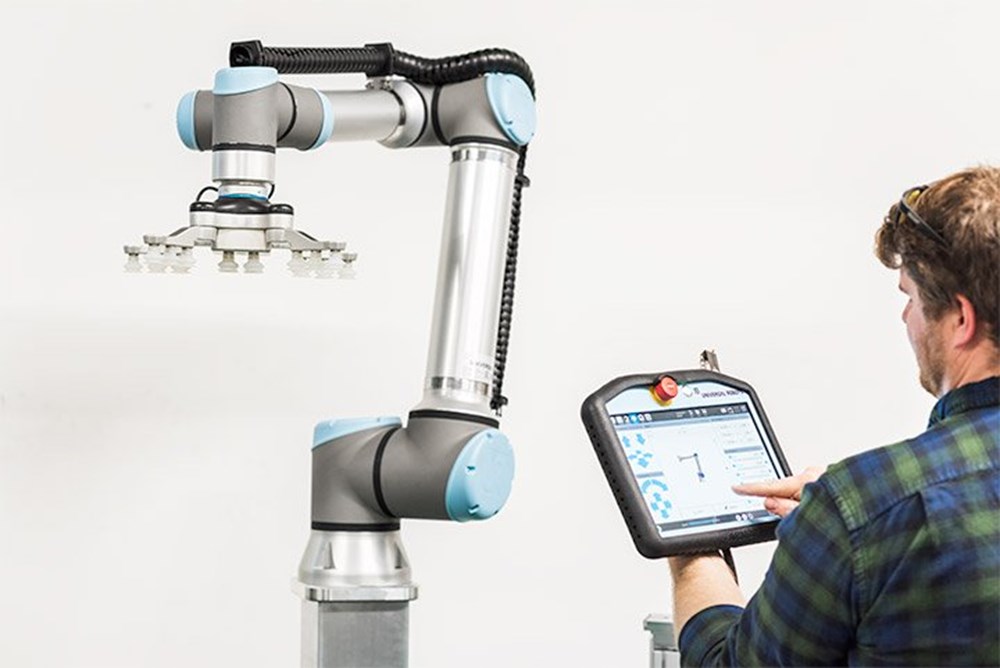
End-effectors are selected or swapped per task; the most common is the gripper, which grasps and manipulates objects. Combined with motion teaching, this modularity is driving rapid growth in the cobot market.
Parts 2 onward will cover real-world robot deployments across industries — stay tuned.

Safetics helps manufacturers eliminate cost and procedural barriers in collaborative robot safety.