🤖 Why Is Humanoid Robotics Attracting So Much Investment?
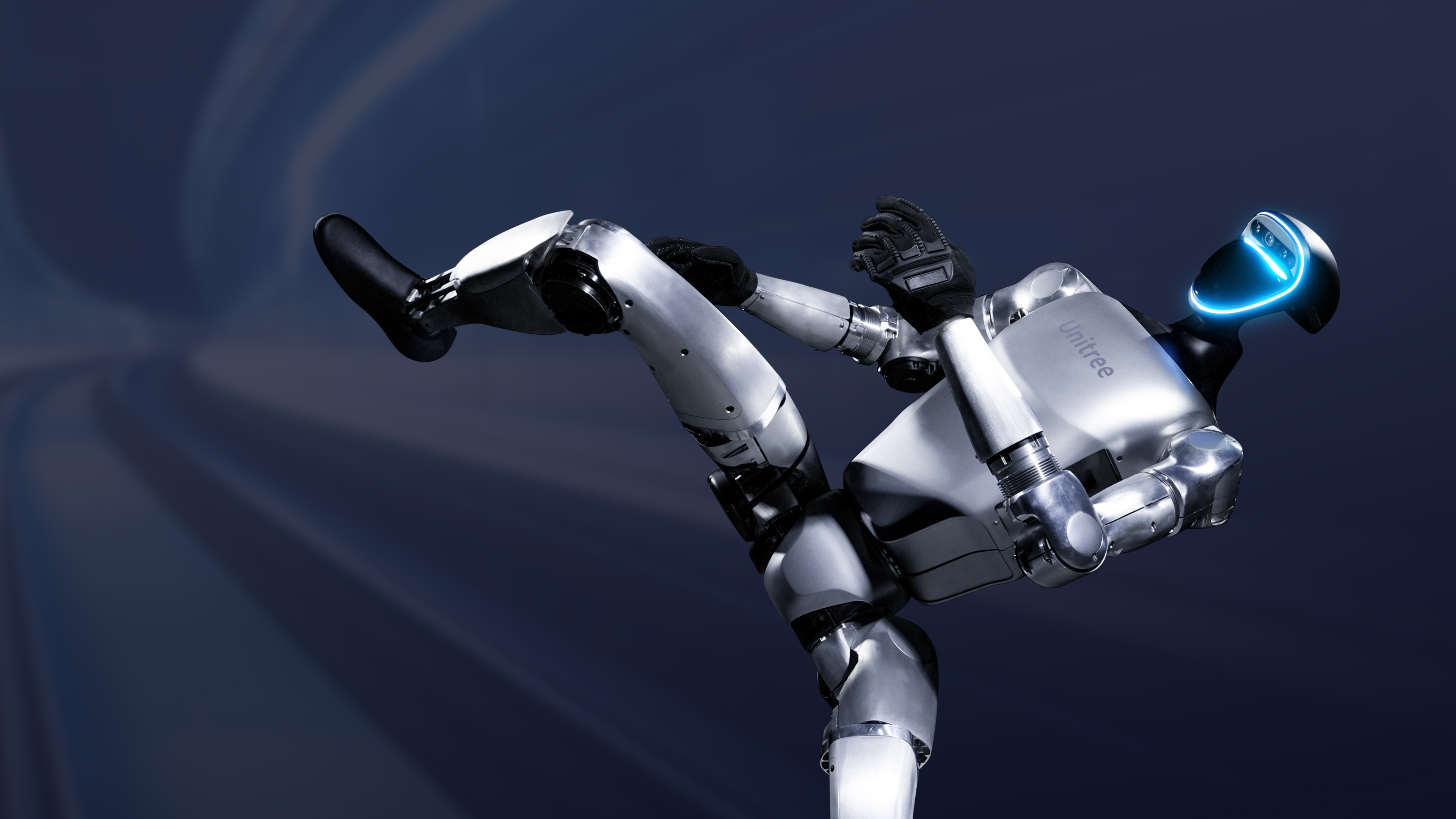
Headlines like "Humanoid startup raises billions," "Big Tech bets on human-shaped robots," and "China warns of humanoid investment bubble" are appearing daily.
The global humanoid robot market is projected to grow from ~$7.8B (2025) to over $180B by 2035.
The reason for the excitement is straightforward: virtually all factory, logistics, and service infrastructure was designed around human dimensions — stairs, door handles, carts, racks, workbenches, hand tools.
A robot that walks, lifts, and operates equipment like a human can slot into that existing infrastructure without rebuilding it. That's the long-term proposition.
Most deployments remain at pilot or proof-of-concept stage. But the investment scale, the caliber of participating organizations, and the 10-year market trajectory signal genuine intent to scale.
🚀 North American Players
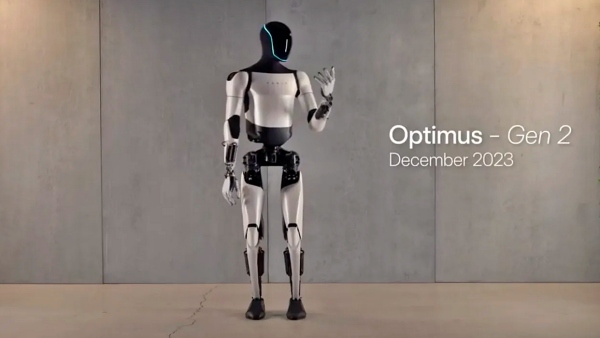
Tesla Optimus — targeting the factory floor
Tesla describes Optimus as a "general-purpose bipedal robot for dangerous, tedious, and repetitive work." The strategy: deploy at Tesla's own Gigafactories first, accumulate real-world operational data, then sell to external customers. Elon Musk has publicly targeted thousands of units inside Tesla facilities, and has stated that the humanoid business may ultimately exceed the automotive business in scale.
What's worth watching isn't the headline — it's the specifics: which automotive processes Tesla is attempting to replace with Optimus, and how factory layout and safety standards are being adapted in response.
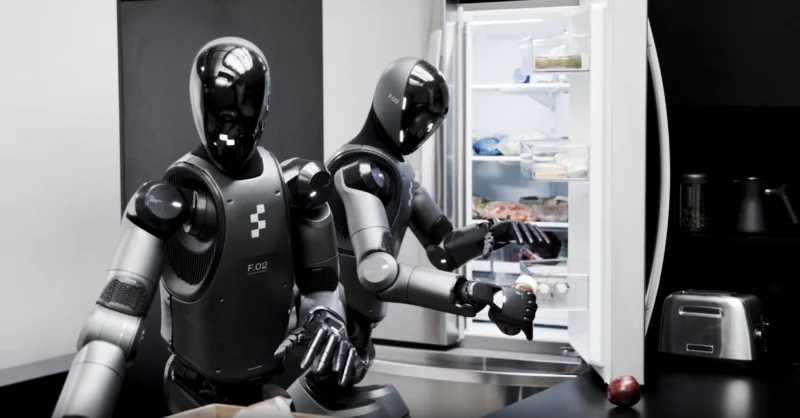
Figure AI — the AI-native humanoid platform
Figure AI raised $675M in February 2024 from Microsoft, NVIDIA, the OpenAI Startup Fund, and Jeff Bezos, and announced a collaboration with OpenAI to develop generative AI models for humanoid robots. A subsequent funding round in 2025 reportedly pushed the company's valuation toward $40B.
Figure AI's thesis goes beyond hardware: the goal is a "humanoid OS + AI services" platform combining generative AI, large vision-language models, and cloud infrastructure with the physical robot. For robot manufacturers and system integrators (SIs), the strategic question is how to position on top of — or alongside — this kind of platform.
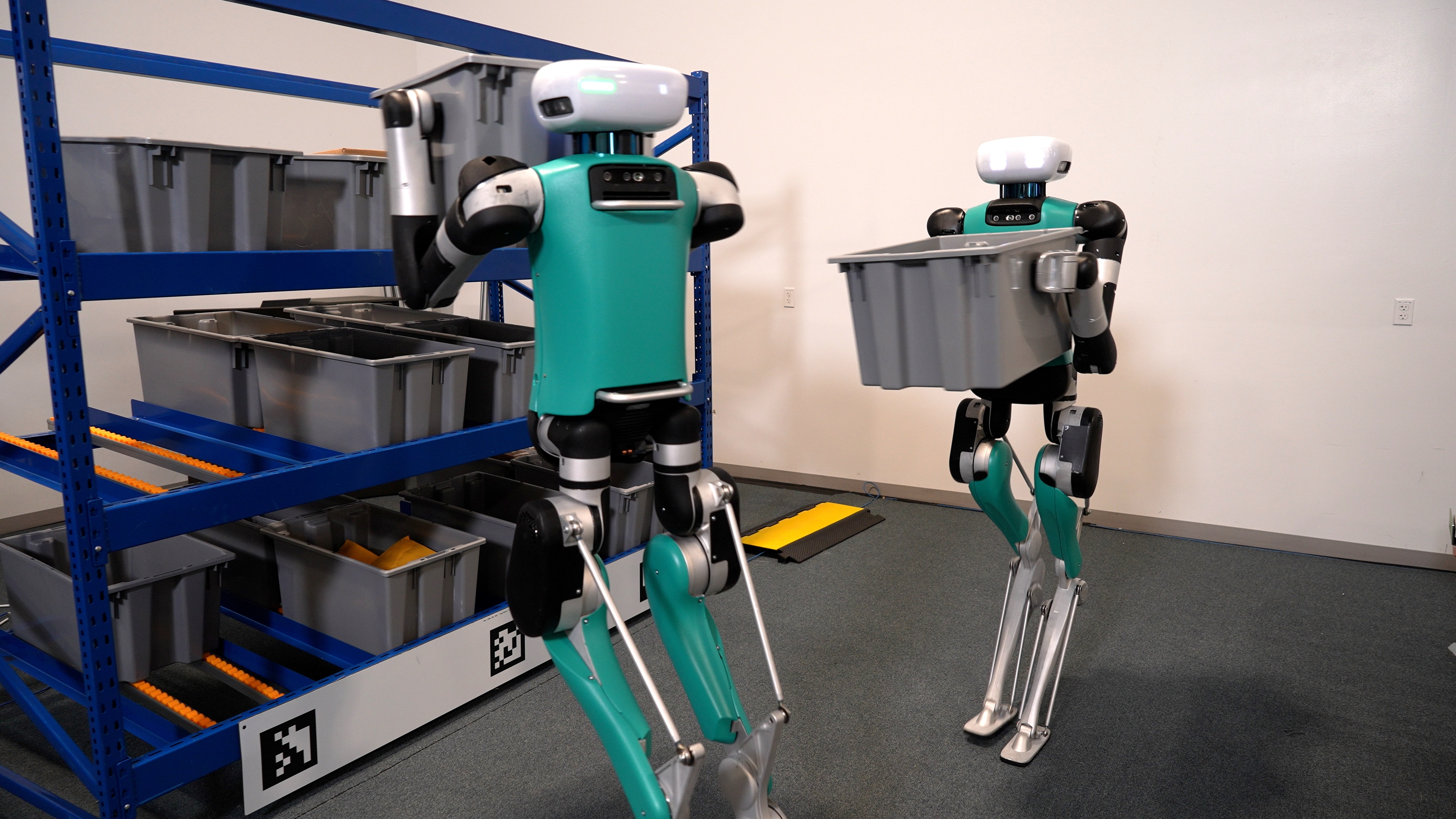
Agility Robotics — already inside the warehouse
Agility Robotics is among the first humanoid companies to move from demo environments into actual warehouse operations. Its humanoid Digit — optimized for box handling, with a 16 kg payload capacity — is purpose-built for logistics: receiving totes from AMRs and placing them onto conveyors or designated positions. In 2023, Agility opened Robofab in Oregon, a facility capable of producing up to 10,000 units annually.
Three things distinguish Agility: a specific industry target (warehouse and logistics), a production facility already built, and active pilots running with Amazon and 3PL operators. This is "earn revenue from this specific task in this specific environment" positioning, not long-term vision.
☁️China: Speed, Scale, and Bubble Risk
China has designated humanoid robots and embodied intelligence as strategic industries at the government level. Notable players include Fourier Intelligence (GR-1, originating from medical rehabilitation) and Unitree Robotics (expanding from quadruped robots to the H1/G1 humanoid lineup), alongside numerous others targeting medical rehabilitation, security, and logistics applications.
The market's pace has drawn an unusual warning: China's National Development and Reform Commission (NDRC) publicly cautioned that over 150 humanoid robot companies are operating domestically, with too much product and technology overlap, creating investment bubble risk. A government agency warning about overheating in a sector it is actively promoting is notable — it reflects the volume of capital flowing in.
Technical progress is nonetheless real. Agibot's humanoid A2 recently walked 106 km autonomously, setting a Guinness World Record — a combination of durability demonstration and investor signal.
One-line summary of the Chinese market: government-backed, crowded, fast-moving, and bubble-flagged simultaneously.
🏭 The First Commercial Target: Factories and Warehouses
Across all players, the near-term revenue target is consistent: physically demanding, repetitive tasks in logistics centers and manufacturing plants.
Warehouses: Box transfer between racks and conveyors; receiving AMR-delivered cargo and placing it onto lines or equipment.
Factories (automotive, electronics): Line-side parts replenishment; repetitive loading and unloading; palletizing support.
These tasks share two characteristics: they are physically taxing and injury-prone for humans over time; and they don't justify building entirely new dedicated equipment lines. A humanoid that can operate within existing infrastructure — racks, stairs, elevators, workbenches — offers a path to automation without facility reconstruction. Tesla targeting "dull and dangerous factory work" and Agility positioning Digit as a "warehouse-first humanoid" reflect the same underlying logic.
❓ Why Most Deployments Are Still Pilots
Technology, cost, and reliability
- Bipedal balance control remains sensitive to floor conditions — slopes, wet surfaces, debris, and tight spaces present real challenges
- Unit costs currently range from tens of thousands to hundreds of thousands of dollars — significantly higher than cobots or AMRs
- The gap between controlled demo environments and real factory floors (oil, dust, uneven surfaces, spatial constraints) requires time to close
Safety and regulation
Collaborative robots operate within a well-established framework: ISO 10218-2, ISO/TS 15066, and corresponding national certification systems. Humanoids — human-scale, high-DOF, operating across diverse environments including corridors, stairs, and offices — are only now beginning to receive dedicated regulatory attention globally. Current pilots consequently operate within defined zones, on defined tasks, under intensive safety monitoring.
This is precisely where digital twin-based design becomes critical. Simulating the full human-robot-equipment environment in 3D before deployment — verifying speed, separation distance, force limits, hazard zones, and safety device placement — substantially reduces deployment risk. Safetics' SafetyDesigner is built for exactly this: validating safety and productivity simultaneously before a robot enters the facility.
✨ Three Takeaways
1. Think 10-year horizon, not next quarter
Humanoids will likely become a major pillar of industrial automation over the long term. That doesn't mean bypassing cobots, AMRs, or conventional industrial robots today — it means building today's automation and safety infrastructure robust enough to accommodate humanoids when they arrive.
2. Watch what tasks they're targeting, not which company is leading
Tesla, Figure AI, Agility Robotics, and Chinese entrants are all converging on the same task profile: physically burdensome, repetitive, injury-risk work. If you operate a manufacturing or logistics facility, start listing:
- Musculoskeletal high-burden tasks
- Night-shift and extended repetitive operations
- Auxiliary tasks near hazardous or elevated work areas
That list is your future humanoid pilot candidate inventory.
3. Plan for a hybrid facility, not a humanoid-only facility
The realistic near-term picture: cobots handle fixed-position precision and repetitive work inside processes; AMRs handle inter-process transport; humanoids gradually absorb the manual, non-deterministic tasks in between. Designing and validating that hybrid environment requires simulation tools that can model all three simultaneously — making platforms like SafetyDesigner less of a nice-to-have and more of a prerequisite for large-scale automation projects.
The neighbor's factory getting its first humanoid may arrive sooner than expected. Knowing the players and the market direction now is the lightest possible form of preparation.
For risk assessment and safety design ahead of robot deployment, contact Safetics.