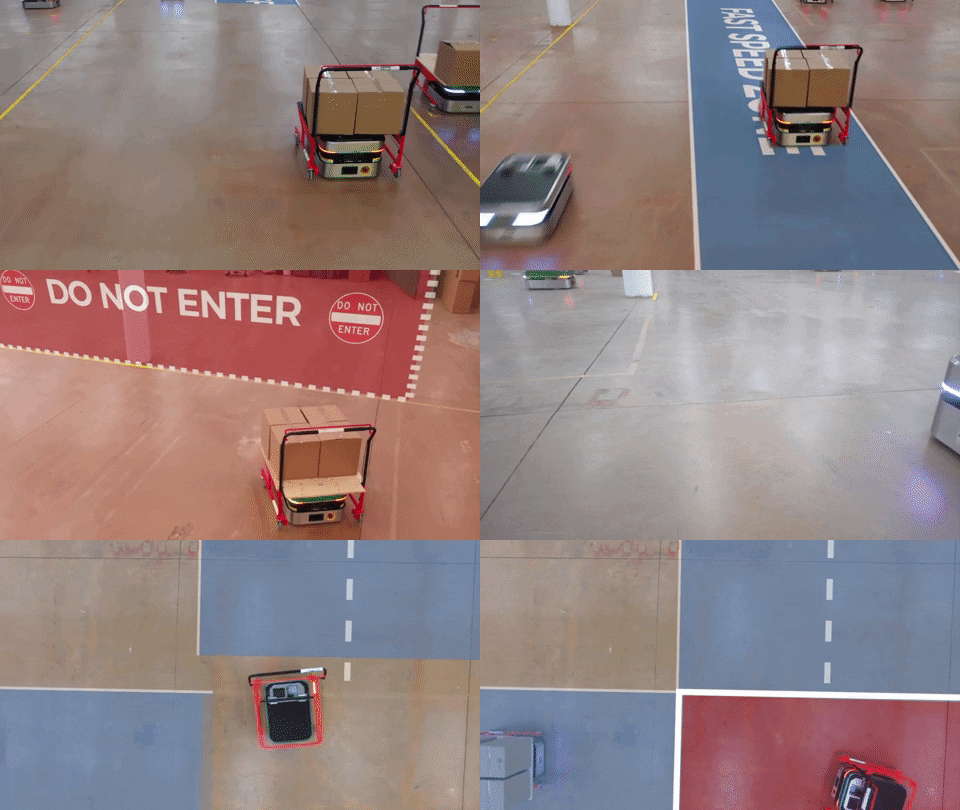
Both move autonomously around factories and warehouses — but the similarity ends there. Understanding the distinction is essential before choosing between them.
🔎 Three Key Differences
1. Navigation
- AGV (Automated Guided Vehicle) follows fixed physical guides — magnetic tape, QR codes, or embedded tracks. It can only travel predefined routes.
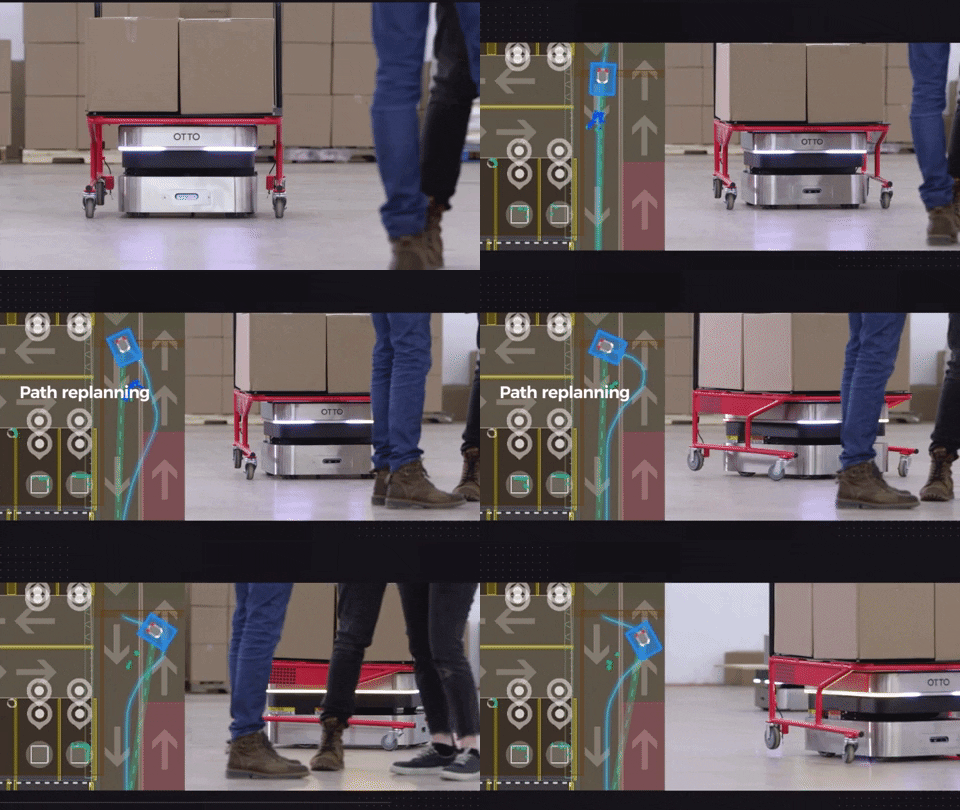
- AMR (Autonomous Mobile Robot) uses sensors, cameras, and LiDAR to perceive its environment and calculate its own path. It detects and avoids obstacles in real time.
2. Infrastructure Requirements
- AGV requires pre-installed guidance infrastructure. Any layout change requires reinstallation.
- AMR requires no fixed infrastructure. It can be deployed immediately and adapts autonomously when the environment changes.
3. Cost Structure
- AGV has lower upfront costs but accumulates ongoing maintenance costs whenever layouts are reconfigured.
- AMR carries higher initial investment but delivers greater versatility across tasks — more cost-effective over the long term in dynamic environments.
🤔 Which Fits Your Facility?
Choose AGV when:
- Process layout is stable and rarely changes
- Tasks involve simple, repetitive transport on fixed routes
- Facilities: automotive parts plants, food and beverage factories
Choose AMR when:
- Work environments change frequently or require human collaboration
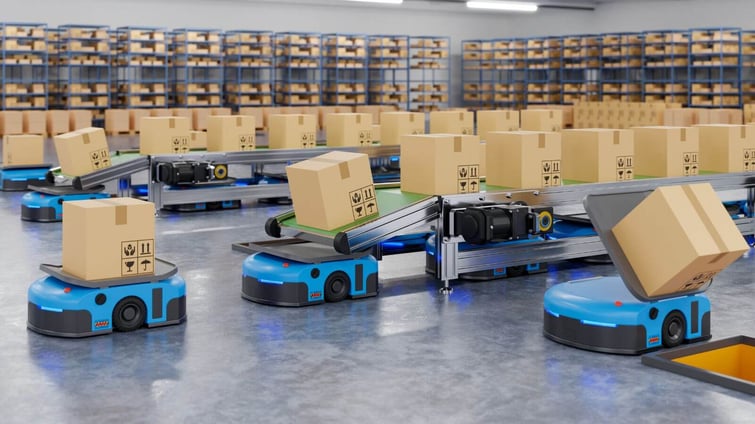
- Facilities: fulfillment centers with shifting inventory locations, hospitals with variable obstacle environments, high-mix production facilities
- Dynamic task assignment across multiple routes is needed → pair with a Fleet Manager system for real-time multi-robot coordination
Fixed process → AGV. Flexibility and human collaboration required → AMR.
Match the technology to your operational reality — not the other way around.
For risk assessment and safety design ahead of robot deployment, contact Safetics.