🤖The RaaS Era: Is Operational Capability the New Edge for Robot SIs?
"Install a robot and efficiency goes up automatically" — this expectation regularly meets a harder reality on the shop floor. Robots get deployed and then underperform. The reason is consistent: hardware alone isn't the bottleneck. Operational capability is.
The shift in manufacturing context explains why. Product lifecycles are shorter, orders are increasingly low-volume and high-mix, and processes change constantly. Robots need continuous adaptation, and someone needs to continuously manage and tune them. This is why Robot as a Service (RaaS) — subscription-based robot operations replacing one-time equipment sales — is gaining traction, and why robot system integrators (SIs) are competing on operational capability rather than hardware specs.
🔍 Three RaaS Cases
📦 Amazon Robotics — 20% Productivity Gain
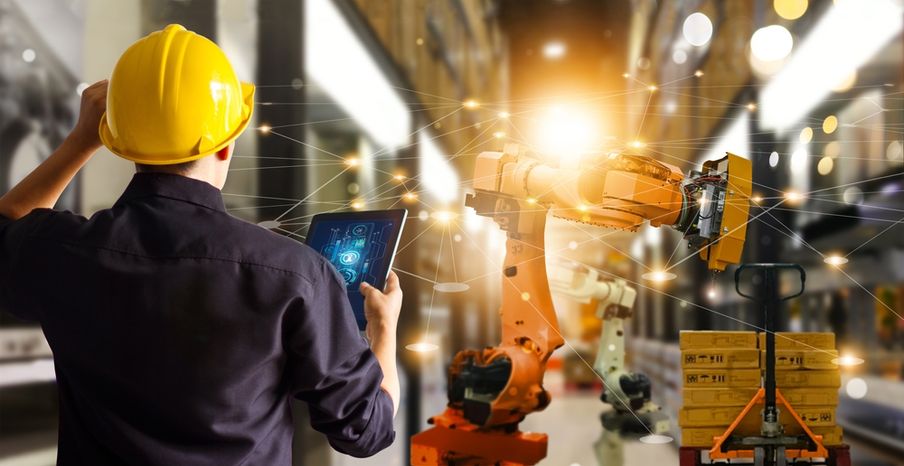
Amazon applies a subscription-style operational model to its logistics automation — adjusting robot count and capability flexibly based on demand rather than locking into fixed capital investments. The outcome: 20% improvement in order processing efficiency. The key isn't the hardware — it's the sustained operational environment that keeps robots performing. That is Amazon's automation edge.
🏢 Nomagic — Operations Partner for European Logistics
Polish startup Nomagic provides AI-based robotic picking systems to logistics operators under a RaaS model. Major European clients including ASOS and Fiege have used Nomagic to start automation with minimal upfront capital — accessing operational expertise alongside the technology rather than purchasing hardware and managing it independently.
🤖 Slip Robotics — AMR as a Subscription
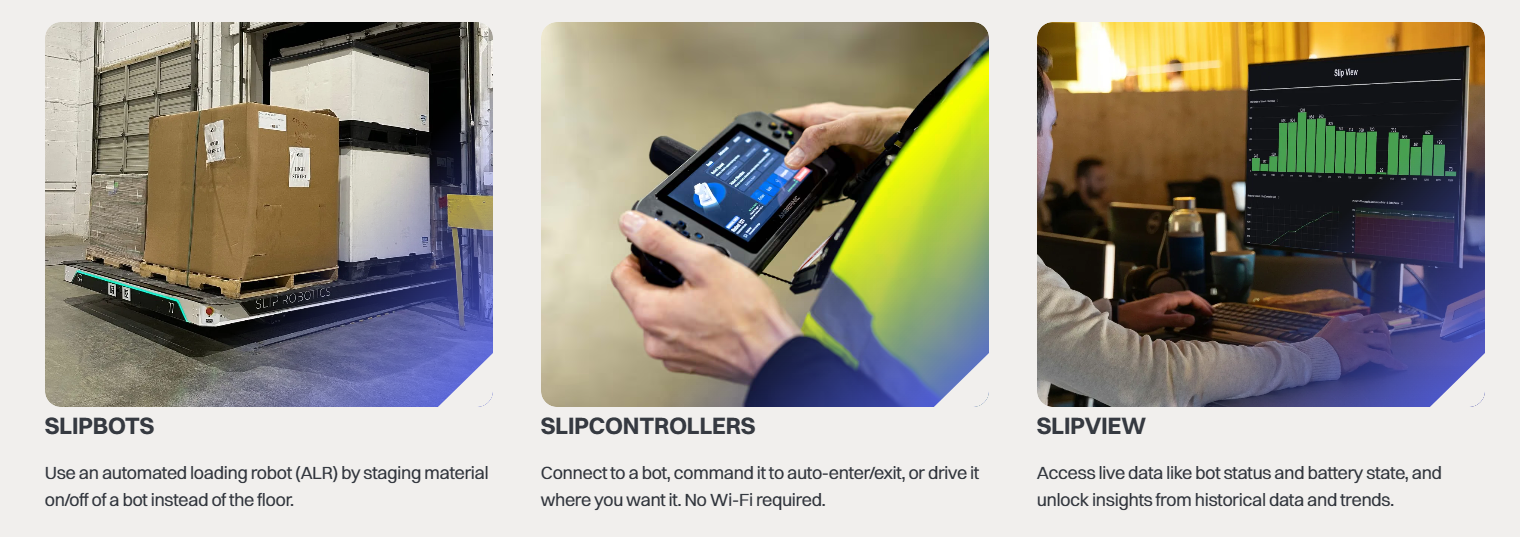
Slip Robotics offers autonomous mobile robots (AMRs) entirely as a service. Customers don't purchase equipment — they subscribe to a complete operational solution that includes ongoing maintenance, software updates, and facility-specific operational tuning. The customer isn't buying a robot; they're buying continuously optimized automation capability.
✅The Takeaway
Hardware procurement is the starting point, not the finish line. Real robot automation begins after installation. The competitive question for robot SIs is no longer "how good is the robot?" — it's "how well can you operate it, continuously, for the customer?" The partner that answers that question best wins.
For risk assessment and safety design ahead of robot deployment, contact Safetics.
로봇사용에 안전과 생산성을 모두 잡을 수 있도록,
세이프틱스가 도와드릴게요.