Cobot adoption headlines are everywhere — "2× efficiency gains," "labor shortage solved," "safety incidents down." The benefits of flexible production, improved working conditions, and consistent quality are real. But cobots are not a universal solution. Deploying one where it doesn't fit reduces productivity and can increase risk. Here's how to assess fit before committing.
🔥 Why Cobots Are Attracting Attention
📈 Productivity
![안드로이드 만료 토큰 갱신 / 요청 api에 토큰 삽입 자동화 시스템 개발기 - 1 전반적인 설계 편 [Android Retrofit Auto Insert Token & Auto Refresh Token] :: 말리빈 Devlog](https://blog.kakaocdn.net/dn/bYdl4c/btrbe6XfeWc/RaNo5HKAM05ozKLgaeNbk0/img.gif)
- automate repetitive tasks, enable 24/7 operation, reduce labor costs and lead times
💪 Worker safety
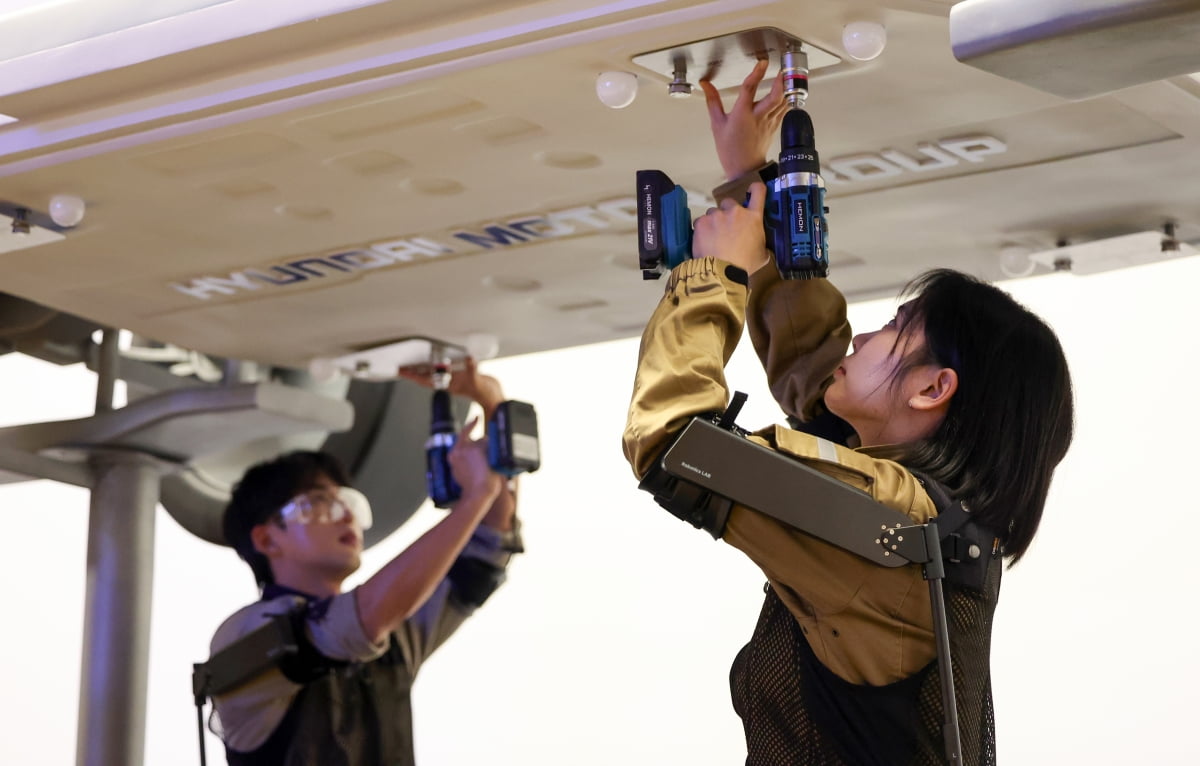
- replace people in dirty, dangerous, and difficult (3D) environments; reduce musculoskeletal disorder risk
🔎 Quality consistency
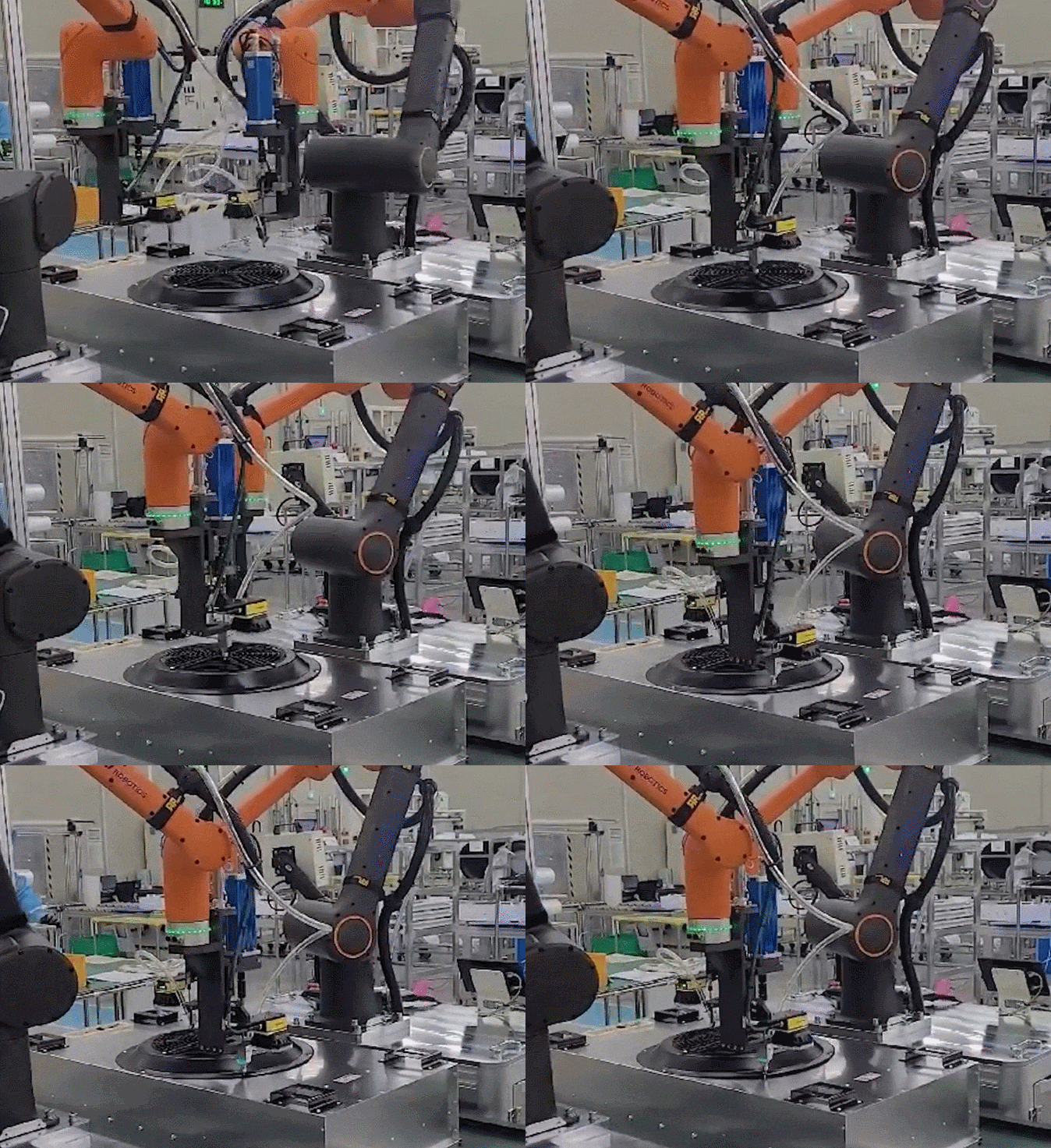
- eliminate variation from operator skill and fatigue; reduce defect rates
🔄️ Production flexibility

- easier to reprogram and redeploy than conventional industrial robots; suited to high-mix, low-volume environments
✔️ 4 Process Types Where Cobots Excel
1. Repetitive, fatiguing tasks with high human error risk
Screw fastening, component assembly, labeling, packaging, basic inspection assistance — tasks that are tedious, physically tiring, or prone to concentration lapses.
2. Precision and consistency over payload
Small-part precision assembly, PCB handling — processes where repeatable accuracy matters more than raw force.
3. Processes requiring human-robot collaboration
Cobots' defining advantage is fence-free shared workspace operation. However: operating without fencing or sensors requires risk assessment per ISO 10218-2 and ISO/TS 15066, and compliance with applicable occupational safety regulations. Built-in collision detection alone is never sufficient for legal compliance.
4. Flexible production environments
Frequent product or volume changes — cobots' ease of teaching and redeployment makes them the right tool for high-mix or seasonal production lines.
❌ 3 Situations Where Cobots Are Not the Right Choice
반대로, 협동로봇이 최적의 자동화 솔루션이 아닌 경우도 있어요!
😥 High payload or high-speed requirements

- most cobots have payload and speed limits imposed by safety design; applications requiring heavy-load handling or very short cycle times are better served by conventional industrial robots
🔥 Extreme environments
- high temperature, heavy dust, high humidity, corrosive chemicals — harsh conditions degrade cobot electronics; dedicated industrial-grade robots or environment remediation should come first
🏭 Fixed, high-volume, single-product lines
- where flexibility has no value and maximum throughput is the only metric, dedicated automation equipment is more cost-effective long-term
📝 Quick Self-Assessment Checklist
✅ High volume of standardized, repetitive tasks
✅ Workers report musculoskeletal strain or fatigue on certain tasks
✅ At least one process requires human-robot collaboration
✅ Physical space constraints make fence or sensor installation impractical
✅ Product type or volume changes frequently
✅ Workpiece payload is under 30 kg
3 or more checked → cobot application is likely viable.
⚠️ From Checklist to Safe Deployment
The checklist is a starting point, not a final decision. Two mandatory next steps:
1. Consult a robot automation specialist or SI
Process analysis, technical feasibility, system configuration, and ROI assessment require expert input — not just a checklist.
2. Risk assessment and safety design
Safetics' SafetyDesigner supports risk assessment to international safety standards and domestic regulatory requirements, documents required safety measures, and validates PFL mode — enabling fence-free, sensor-free cobot operation with verified safety compliance. Safety is not a formality: cobots working alongside people carry serious injury risk if safety requirements are treated superficially.
Properly assessed, safety-certified cobot deployment is a genuine competitive advantage. Skipping or shortcutting the safety process is the single most reliable way to turn that advantage into a liability.
For risk assessment and safety design ahead of robot deployment, contact Safetics.