Robot Technologies You Need to Know Right Now
Robot technology is advancing faster than most organizations can track. The companies — manufacturers, SIs, and end users — that adapt earliest will lead the market. Here's what's driving the shift and what's worth watching.
💡Three Core Technologies
1️⃣ AI-Based Vision Systems
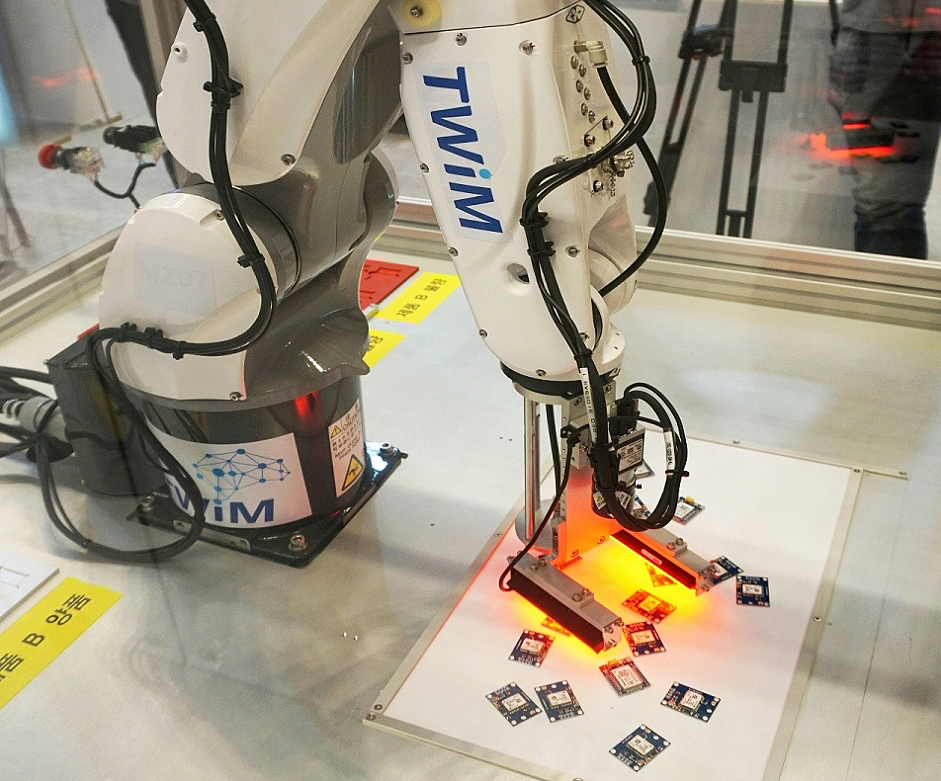
High-resolution cameras combined with AI now enable robots to assess object shape, position, and defect status in real time — not just observe. Automated defect detection and complex component assembly have become standard capabilities, directly improving production efficiency and quality consistency.
2️⃣ Edge Computing

Processing data locally — inside the robot or on adjacent hardware — eliminates cloud dependency. Robots make autonomous decisions without network latency. In logistics and manufacturing where response speed and operational safety are critical, edge computing delivers measurable advantages over cloud-dependent architectures.
3️⃣ Ultra-Lightweight and Low-Power Components

Carbon fiber and high-strength polymers are reducing robot weight and energy consumption simultaneously. Lighter components expand design freedom, reduce operating costs, and improve mobility — making energy-efficient, highly mobile robots the new baseline expectation.
📰Three Recent Product Launches
1️⃣ AI Vision Inspection Robot (XYZ)
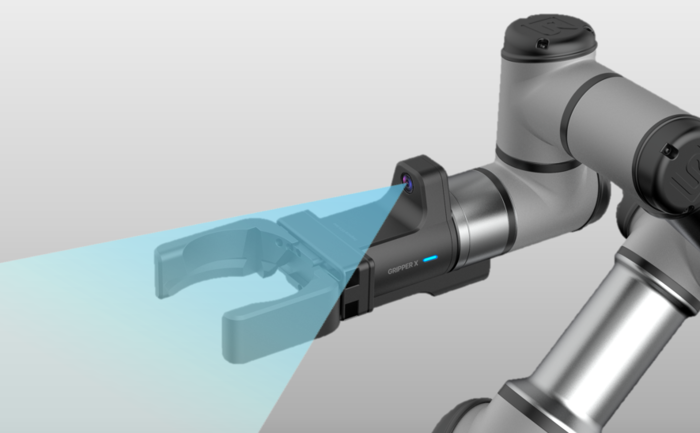
High-precision camera + deep learning technology enables real-time micro-defect detection. Automated defect classification eliminates manual inspection in automotive, electronics, and precision parts manufacturing — significantly improving production throughput and quality reliability.
2️⃣ Alpha Robotics Logistics AMR
LiDAR + 3D mapping enables autonomous path calculation in complex environments. Greater flexibility than conventional AGVs; optimized for logistics automation across warehouses and production facilities.
3️⃣ Doosan Robotics P-Series Cobot (launched 2024)

Purpose-built for palletizing: 30 kg payload capacity, 2,030 mm reach. Gravity compensation technology improves energy efficiency; highest-grade safety certification enables safe human-robot collaboration. Active deployment across logistics, F&B, and manufacturing.V
🤝 Industry Impact
- Productivity — faster, more accurate operations compress production cycle times
- Safety — collision risk with workers minimized through advanced sensing and control
- Operational efficiency — reduced maintenance costs and simplified system integration
For robot SIs: new technologies enable more compelling project proposals and integrated solution offerings. For end users: lower barriers to entry and broader application scope.
🕵️♀️ Two Trends to Watch
Human-Robot Collaboration (HRC)
Humans and robots working simultaneously in shared spaces — each complementing the other's capabilities — is now operationally viable. Cobots operate safely alongside people, pause when needed, reduce worker fatigue, and enable production flexibility that neither humans nor robots achieve alone.
Self-Learning Robots
Robots that learn and improve from operational data are moving from research to deployment. Expect this category to grow substantially over the next several years.
For safe and productive robot deployment, contact Safetics.