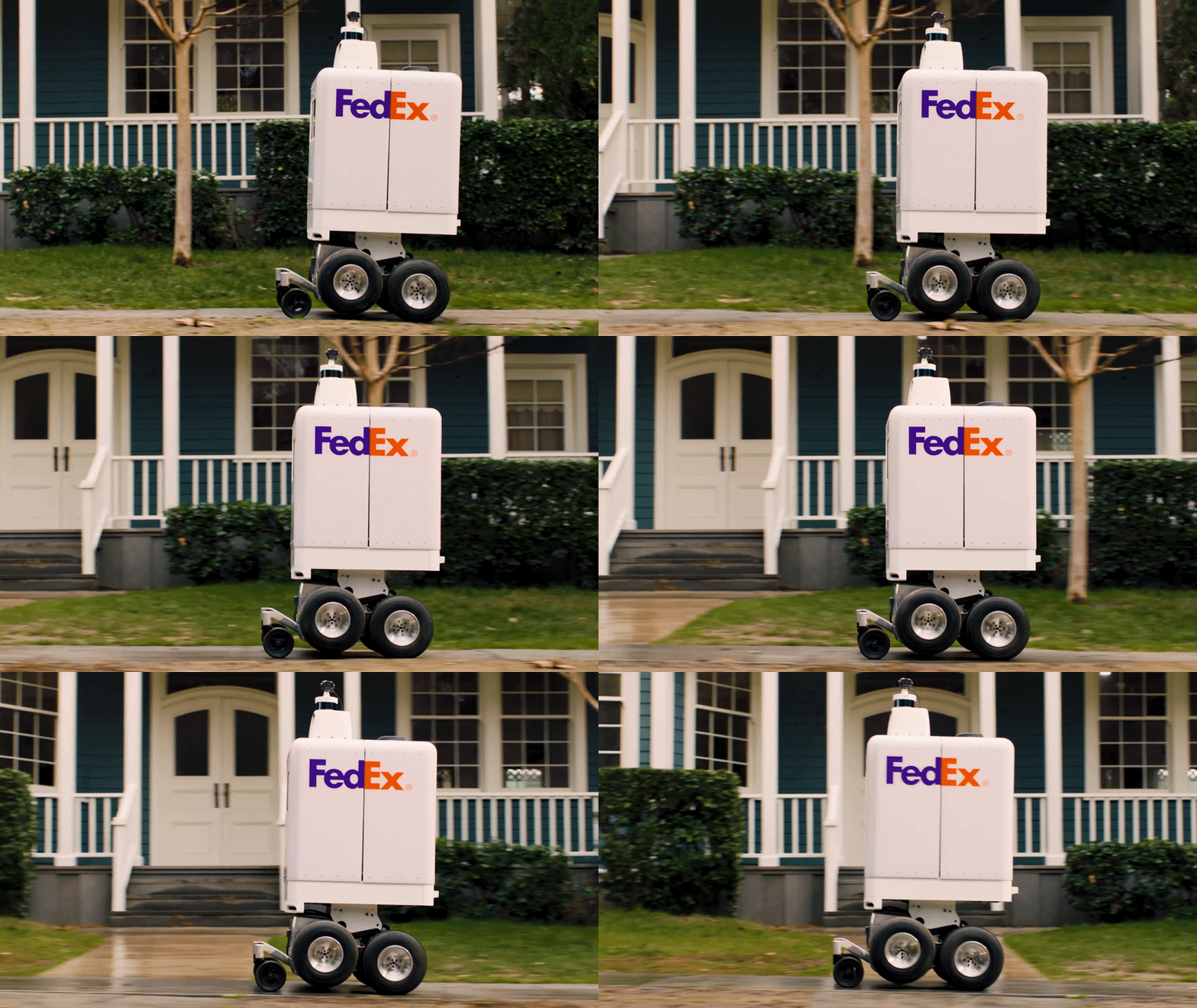
Autonomous mobile robots are the leading edge of robotics — and a core technology reshaping the future of multiple industries. Beyond cost reduction and productivity improvement, they are restructuring entire workflows and strengthening workplace safety. Used well, they are a key to competitive advantage, new business models, and better working environments.
🧠 Four Core Technologies
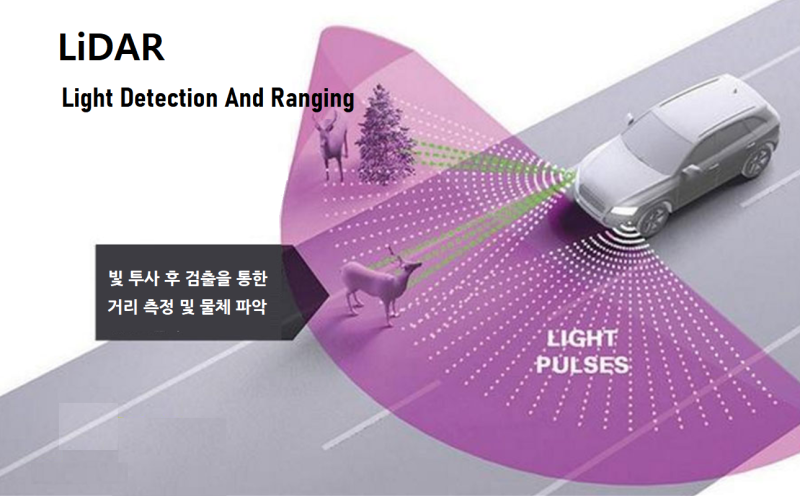
🔍 Sensors and Data Processing
Cameras, LiDAR, and ultrasonic sensors enable real-time environmental perception and autonomous decision-making. Advancing sensor sophistication is extending reliable operation to low-light and complex conditions that earlier systems could not handle.
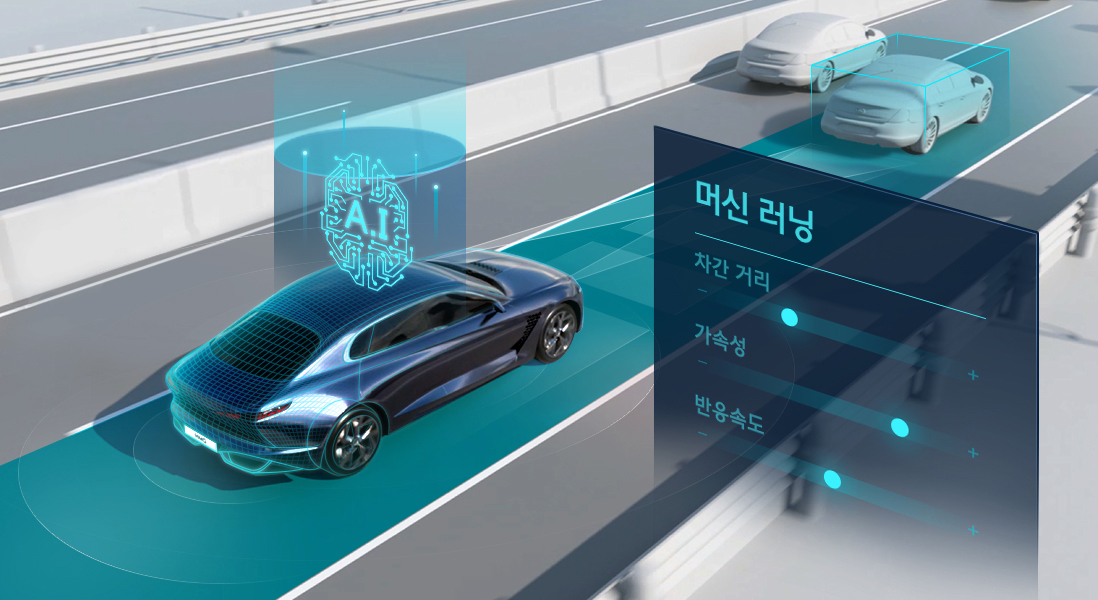
🤖 AI and Machine Learning
Deep learning enables robots to learn from experience and improve continuously — setting obstacle avoidance paths, adapting to new environments, and becoming progressively more capable over time. Natural language processing is making human-robot interaction increasingly natural.
🗺️ Navigation Technology
GPS and SLAM (Simultaneous Localization and Mapping) enable robots to determine their precise position and calculate routes to destinations — functional inside factories and increasingly in urban outdoor environments.
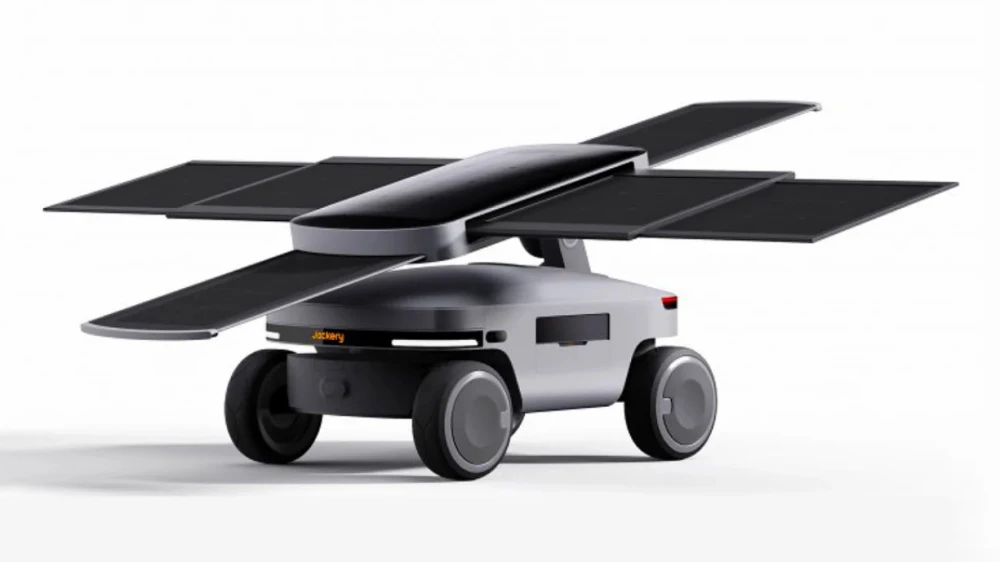
🌱 Energy Efficiency
Battery and energy management advances have extended operational duration and reduced per-task energy consumption. Integration with renewable energy sources including solar is emerging as a design consideration for longer-range deployments.
🤖 Five Types of Autonomous Mobile Robots
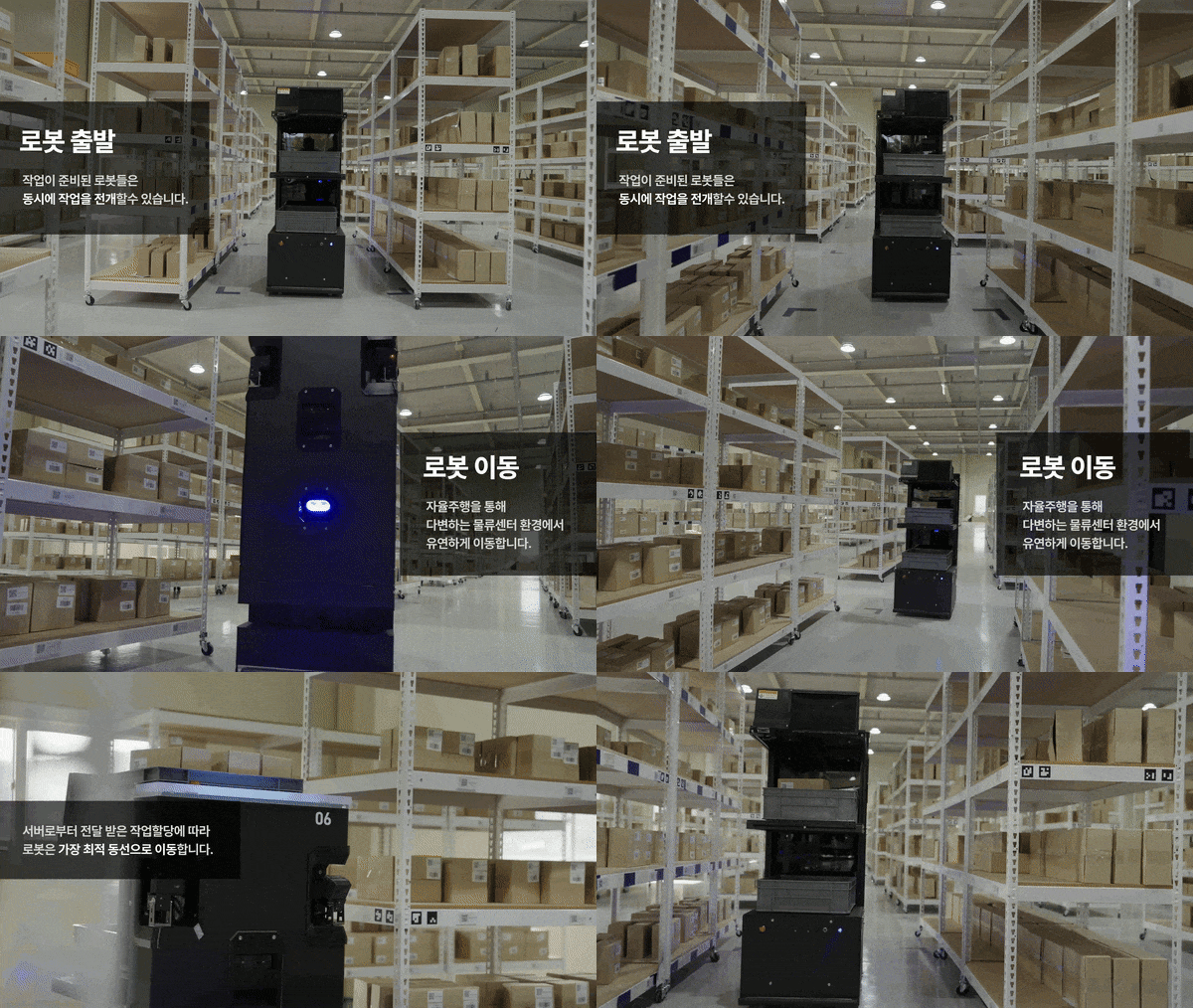
⚙️ Industrial robots
- factory and warehouse operations: material transport, precision assembly, process optimization with AI integration.
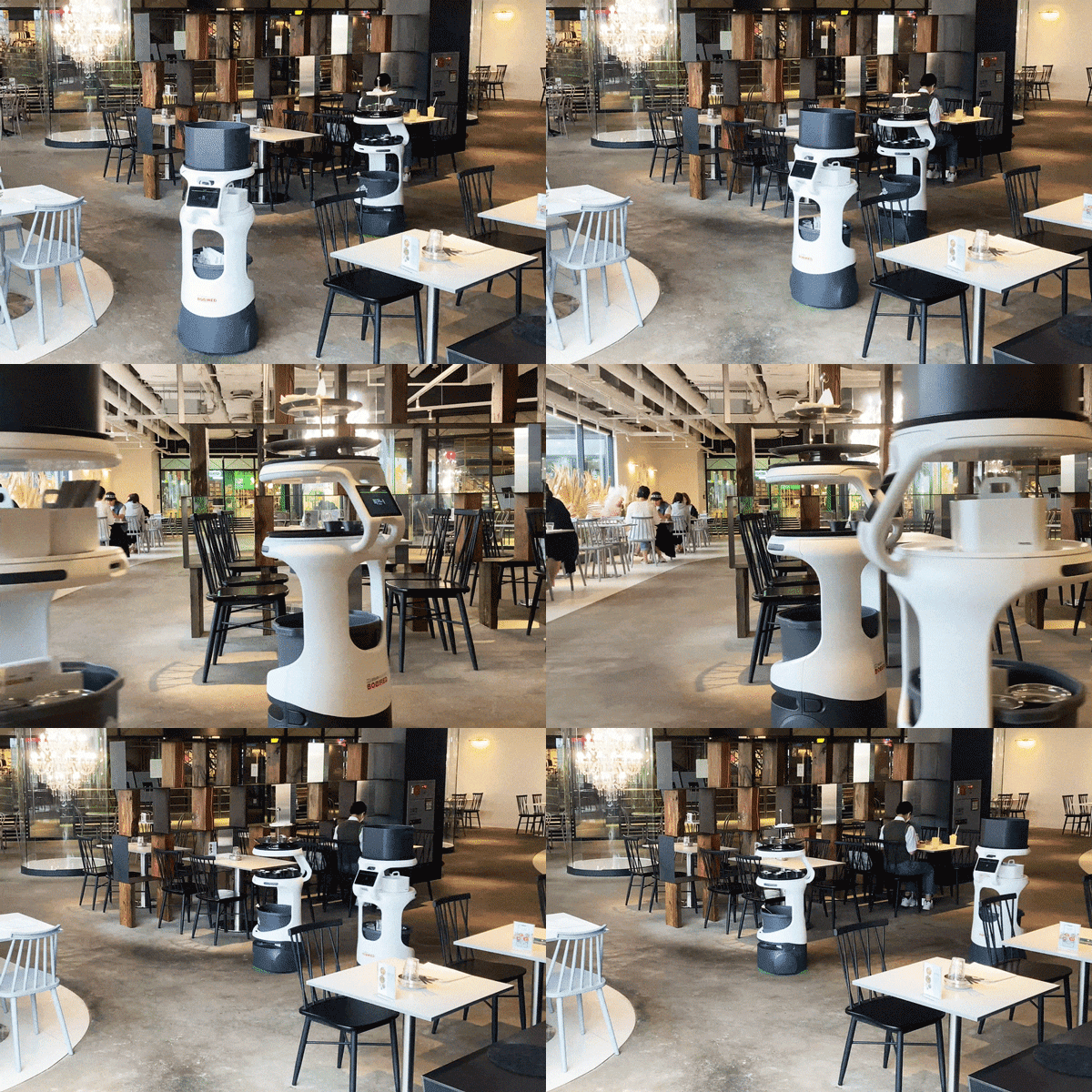
🏨 Service robots
- human-facing environments: hospital medication delivery and patient assistance, hotel guest service, food delivery. Next development direction: emotional recognition and context-adaptive response.
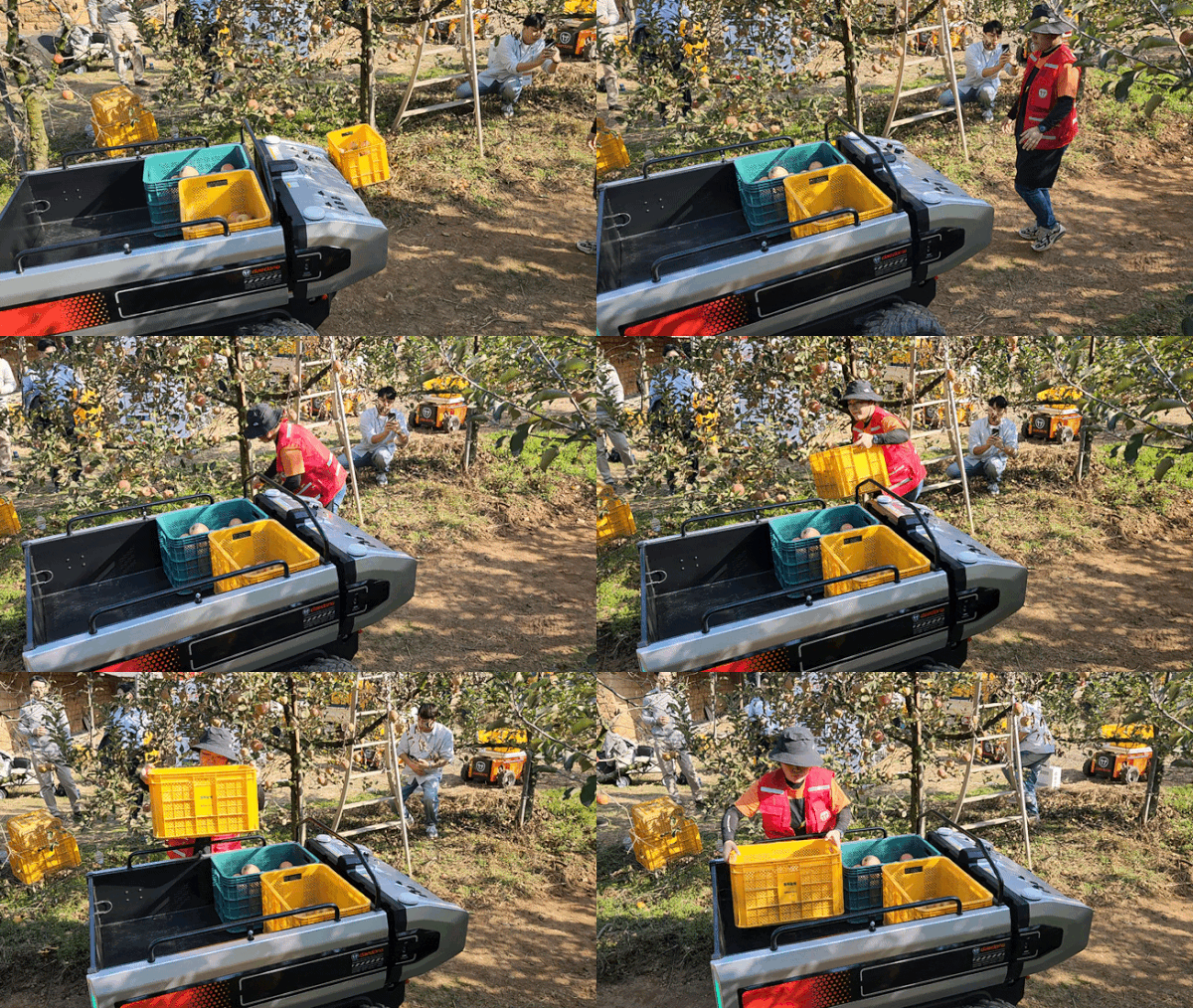
🌾Agricultural and outdoor robots
- crop seeding, harvesting, and soil analysis; drone-based crop management already commercially deployed; construction and mining site automation for safety and efficiency.

🌌 Exploration robots
- environments inaccessible to humans: NASA rovers on Mars, deep-sea ecosystem research, submarine wreck investigation.
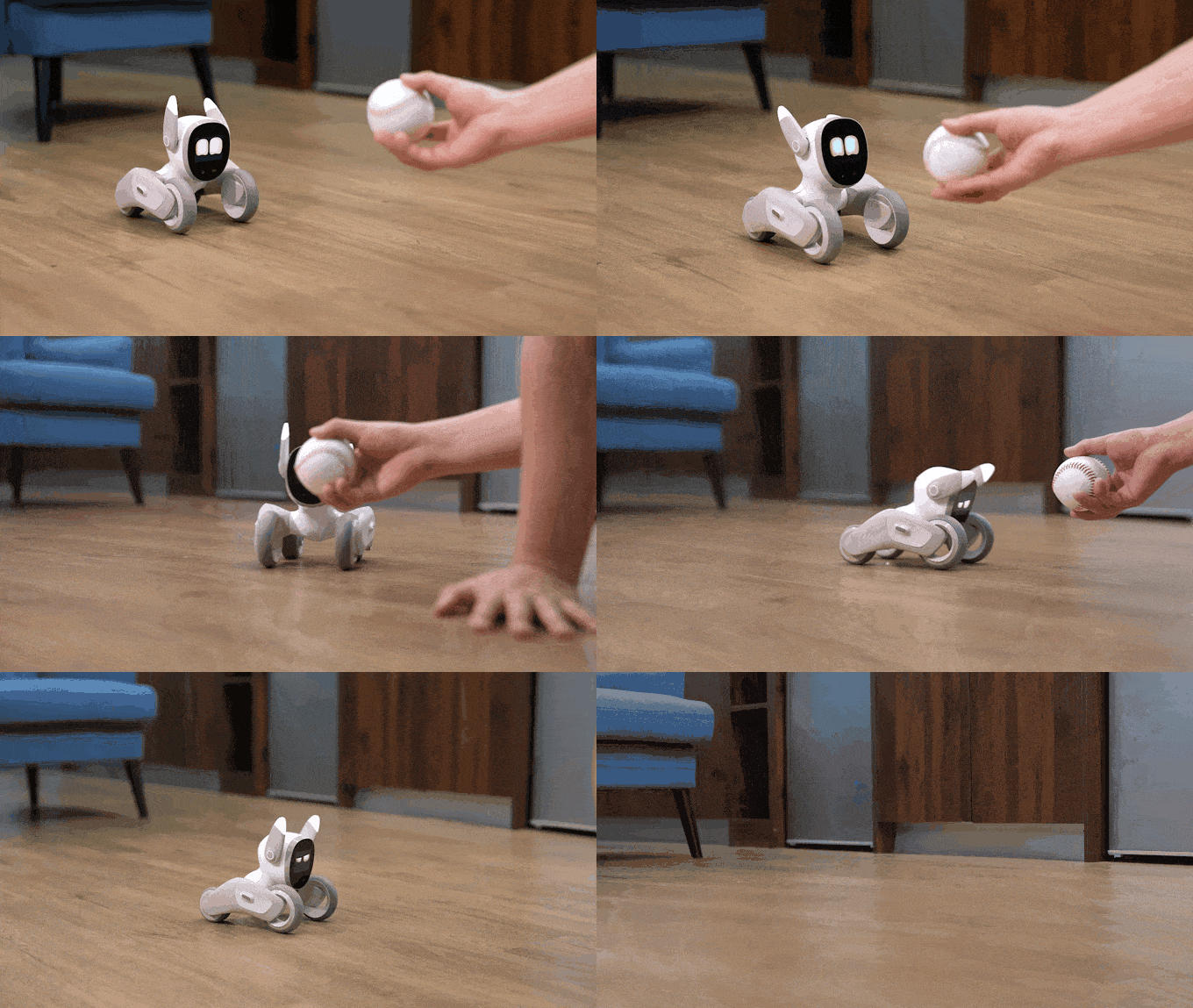
😎 Humanoid and social robots
- designed for human interaction: elder care, guidance services, emotion recognition-based natural communication.
Autonomous mobile robots are delivering measurable value across all these domains. But efficiency gains are only as valuable as the safety framework behind them. Risk assessment before deployment is not optional — it is the prerequisite for effective, situation-appropriate robot use.
For safe and productive robot deployment, contact Safetics.

로봇 사용에 안전에 대한 절차나 비용이 장애가 되지 않도록,
세이프틱스가 도와드릴게요.