
A recent incident in Incheon Songdo: an autonomous delivery robot crossed a road illegally and collided with a passenger vehicle. The operator cited poor traffic light recognition conditions, with human remote intervention triggering the collision. The incident illustrates that despite rapid progress, autonomous mobile robots still carry significant unresolved challenges.
🤔 Four Current Limitations
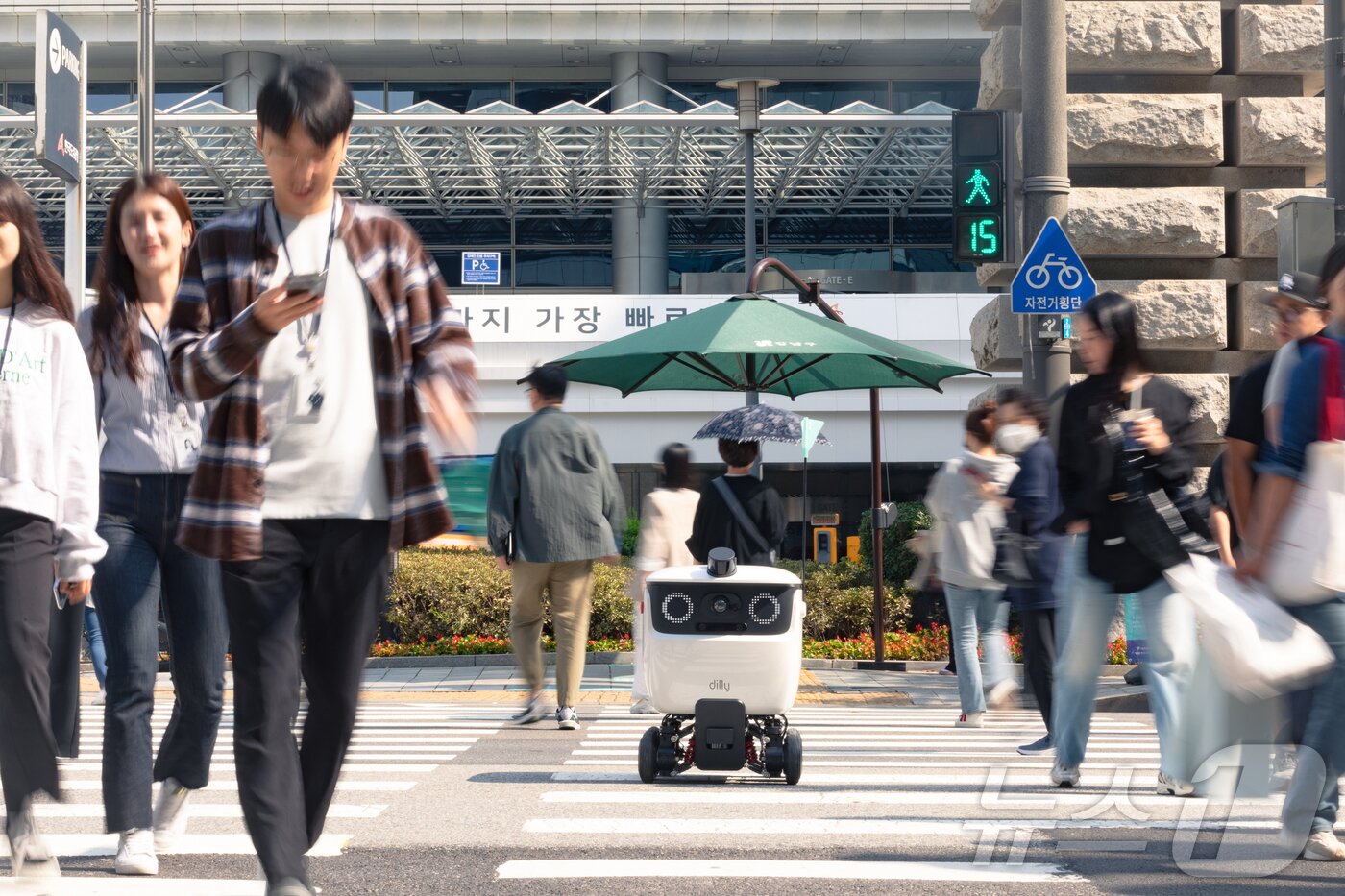
🌍 Adaptation to Complex Environments
Robots operating safely in dynamic environments require substantially higher levels of perception and learning than current systems provide. Unpredictable human behavior is the defining challenge — pedestrians at busy crossings move randomly, and a delivery robot that hesitates or misreads the situation creates accident risk. Calculating all variables in real time at the required speed remains an unsolved problem.
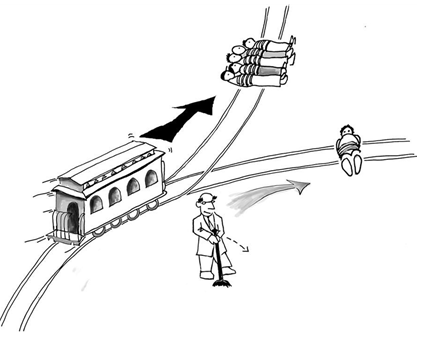
⚖️ Ethical Decision-Making
When a collision is unavoidable, what should the robot decide? Minimize human injury or minimize property damage? These ethical dilemmas require AI algorithms capable of principled decision-making under uncertainty — not just obstacle avoidance. Development of ethical decision frameworks for autonomous robots is a prerequisite for broader deployment.
💰 Cost
High-performance sensors, software, and battery systems remain expensive enough to limit mass adoption. The trajectory is positive — autonomous vehicle sensor costs are falling steadily — and large-scale production will accelerate this further, but cost is still a meaningful barrier today.
📝Legal and Social Acceptance
Autonomous robot deployment at scale requires clear regulation, defined liability for robot actions, and genuine public trust. Without resolved frameworks for data privacy and accountability, technology adoption will remain constrained regardless of technical capability.
🚀 Three Directions for Future Development
🤝 AI-Powered Multi-Robot Collaboration
Multiple robots coordinating autonomously — and collaborating naturally with humans — will transform high-labor industries. In agriculture, robot swarms simultaneously harvest and assess crop health; in construction, coordinated robots assemble structures faster and more accurately than human-only teams. Efficiency and worker safety both benefit.
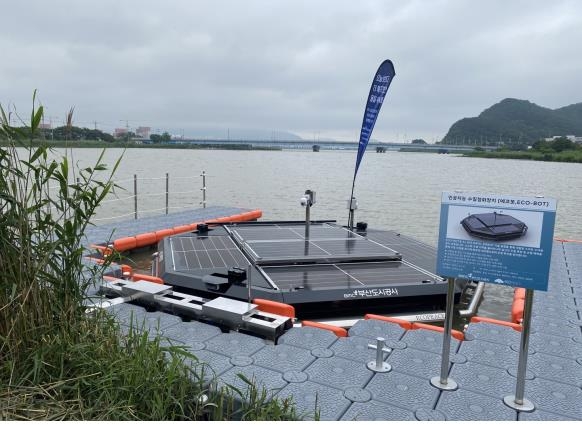
🌿 Eco-Friendly Robots
Solar charging, sustainable materials, waste heat recovery, and self-managed energy systems will become standard features. Environmental design will be integral to robot development, not an afterthought.
❤️ Safer, More Ethical Robots
Algorithms minimizing accident probability and enabling principled ethical decision-making will advance. Medical robots monitoring patient status in real time and responding autonomously to emergencies will become standard care infrastructure. Education robots providing individualized learning support will follow.
Autonomous mobile robots are becoming indispensable across industries and daily life. The remaining limitations are engineering and governance problems — solvable, and being actively solved. Safety concerns are where Safetics comes in.
For safe and productive robot deployment, contact Safetics.