Cleaning robots navigating homes, logistics robots moving boxes in warehouses — all of this depends on vision systems acting as the robot's eyes. Cameras, sensors, and LiDAR read the environment, determine object positions, and set navigation paths. But if the technology is this capable, why do robots still make mistakes?
Three Core Vision Challenges 🔎
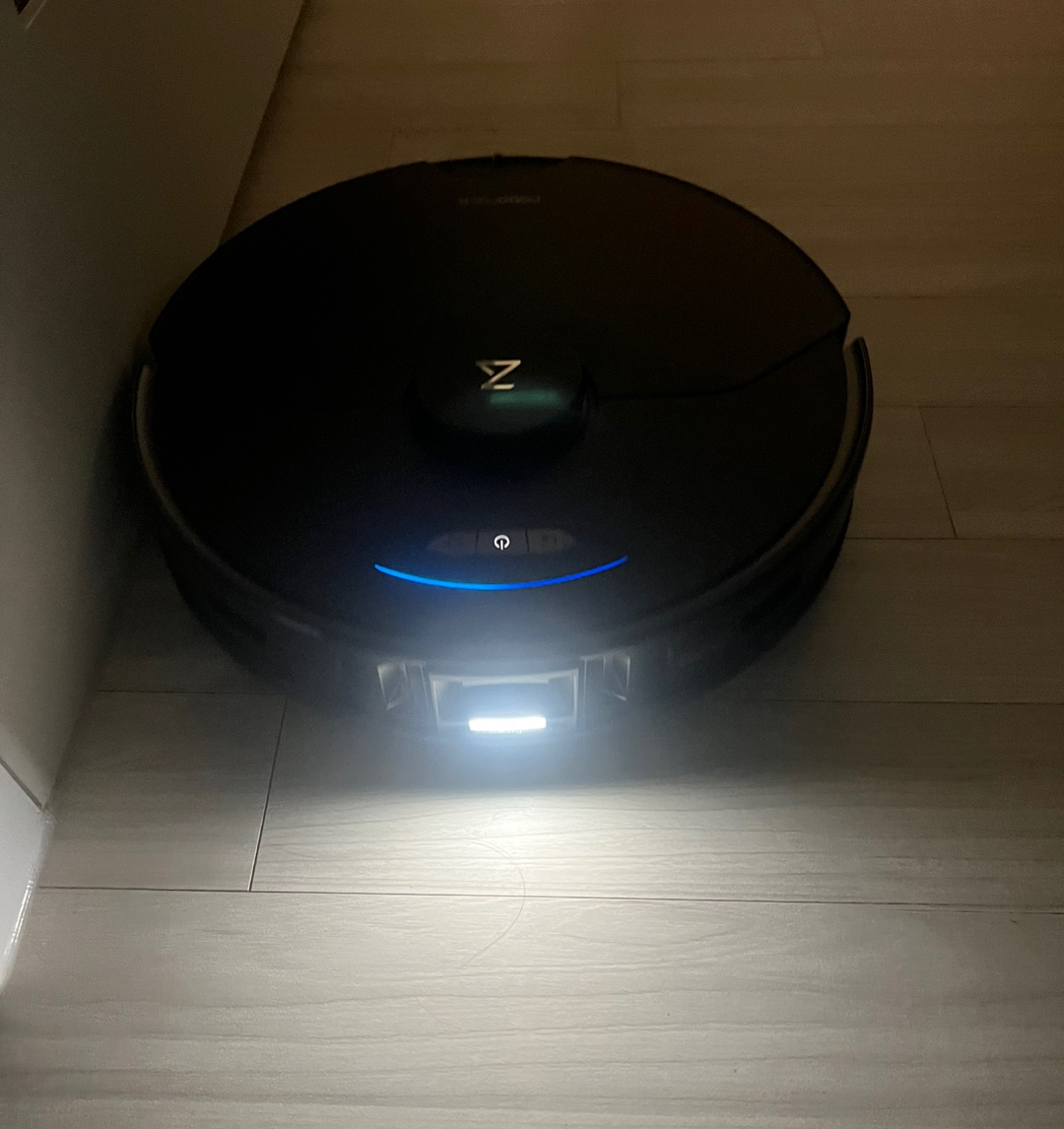
💡 Lighting Conditions
Too dark and the robot can't recognize objects; too bright and it gets confused. Lighting variation is one of the most consistent causes of vision system failure in real-world environments.
😶🌫️ Cluttered and Dynamic Environments
Complex, constantly changing surroundings — objects moving unpredictably, layouts shifting — strain vision processing. Robots struggle to maintain reliable object tracking when the scene changes faster than the system can update.

✨ Reflective and Transparent Surfaces
Reflective floors, glass, and transparent plastic generate false signals and misidentification. This is a real-world deployment issue: at a Safetics seminar, a demonstration robot encountered errors because a recently cleaned, highly reflective floor confused its vision system.
Four Technologies Addressing These Challenges 🔧
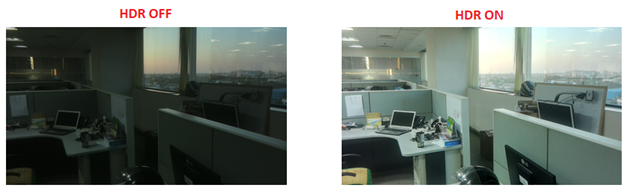
1️⃣ HDR Cameras (High Dynamic Range)
Capture a wider brightness range than conventional cameras — distinguishing bright and dark areas simultaneously. Enable stable robot operation in warehouses with direct sunlight or highly variable lighting conditions.

2️⃣ Thermal Imaging Sensors
Detect infrared radiation (heat) and convert it to visual data based on heat patterns. Effective in darkness and complex environments — used in search-and-rescue robots, surveillance drones, and obstacle detection in low-visibility conditions.
3️⃣ AI and Machine Learning
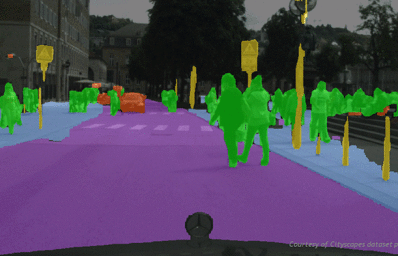
Enable robots to interpret visual data intelligently and improve through experience. Robots learn to recognize patterns, objects, and environments from large datasets; AI algorithms process real-time data to adapt flexibly to environmental change. Also enables human gesture and expression recognition for interaction.
4️⃣ 3D Vision and Depth Perception
Enables robots to understand spatial relationships between objects in three dimensions — precisely determining distance and position for grasping and assembly, and navigating spaces while avoiding obstacles. LiDAR-based 3D environmental mapping in autonomous vehicles is the most widely deployed example.
How the Technologies Combine
Technology | Problem Solved |
|---|---|
HDR camera | Lighting variation |
Thermal imaging | Low-light and heat-pattern environments |
AI + machine learning | Adaptability to complex, dynamic scenes |
3D vision + depth perception | Spatial awareness and precision manipulation |
Autonomous vehicles use LiDAR to read their environment in 3D; warehouse robots use AI to analyze complex scenes and navigate accordingly. The most capable systems combine multiple technologies rather than relying on any single approach.
Vision systems are what allow robots to understand and interact with environments the way humans do. The remaining challenges are being solved — and the systems will keep getting smarter.
For safe and productive robot deployment, contact Safetics.