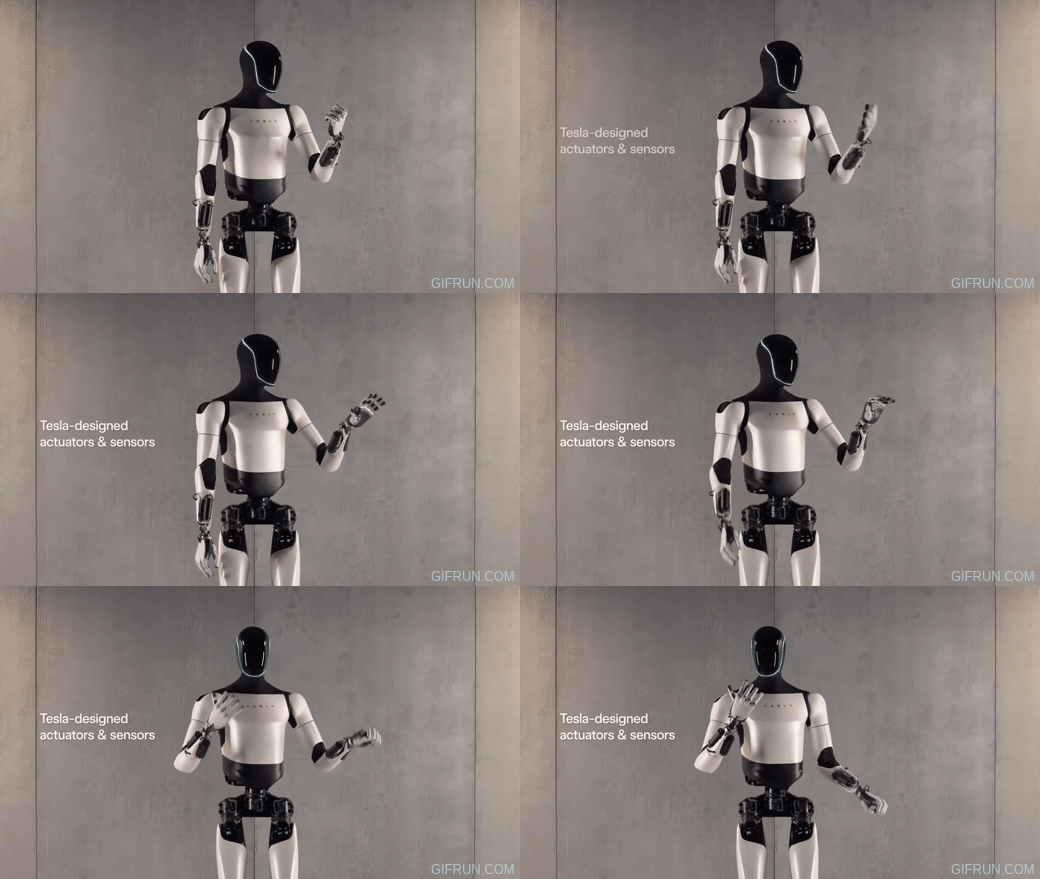
Summary of the Advanced Robot User Development and Safety Innovation Forum — Keynote by Professor Lim Sung-soo, Kyung Hee University
🦾 Korea: The World's Most Robot-Dense Nation
Korea's robot density has crossed 1,012 robots per 10,000 employees — the first country globally to exceed four digits, and approximately ten times the world average. China, currently at 392, plans to double that figure within three years.
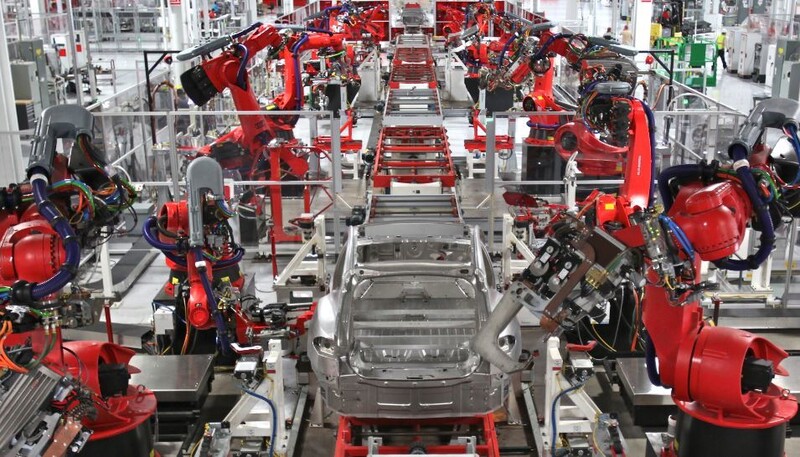
The shared driver: both countries are manufacturing powerhouses with the highest manufacturing industry share of GDP globally. Robot automation is not optional for maintaining manufacturing competitiveness — it is structural. Korea's manufacturing labor productivity ranks 27th among OECD members, which is why both government and industry are investing aggressively in robotics to close the gap.
🧱 From the Factory Floor to the Shared Workspace
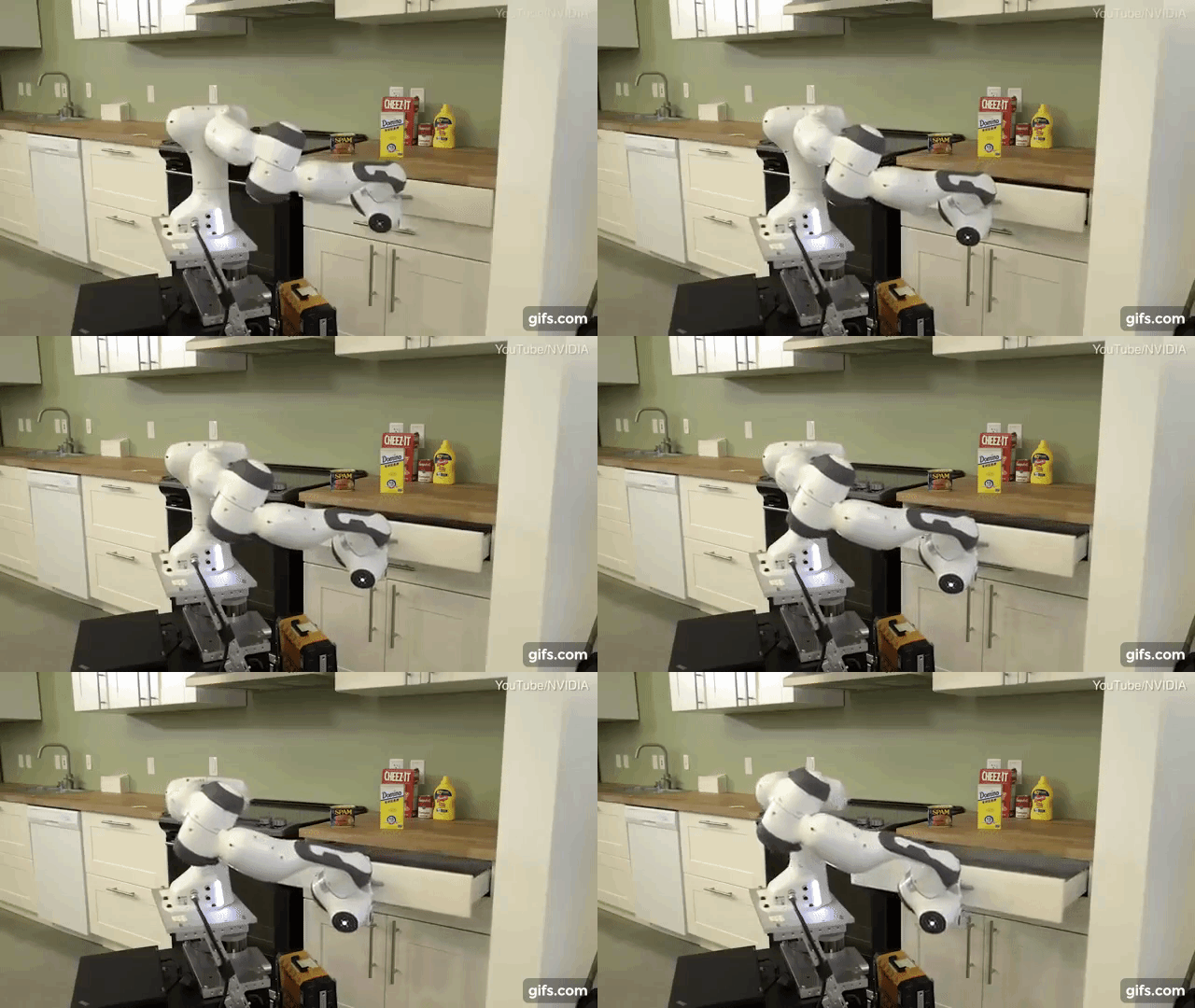
Korean robotics development gained serious momentum in the 2000s, initially focused on building better robots. Over time, the question shifted: not "how do we make a better robot?" but "how do we use robots more effectively?"
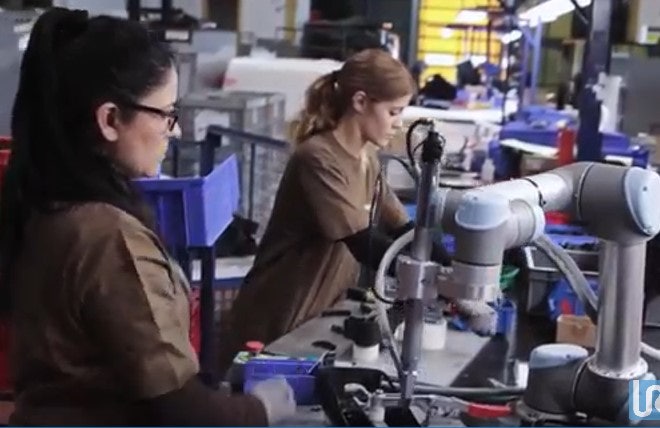
For decades, industrial robots operated in strictly isolated spaces — capable machines working alone behind fencing. In 2013, a new category emerged: robots designed to work in shared spaces alongside people. The concept of the collaborative robot (cobot) was born.
Today, the focus has evolved further — from "collaborative robot" as a hardware category to "collaborative operation" and "application" as the meaningful distinction. The same robot, deployed differently, delivers entirely different value. How a robot is used matters more than what it is.
What Comes Next?
Robots are advancing rapidly and moving closer to people — that much is clear. The question that follows is whether these capable, increasingly present machines will become genuine partners in human work, or whether the complexity of managing them will create new problems.
COVID-19 triggered an explosive expansion in robot adoption and brought robots into proximity with people at unprecedented speed. What kind of future does that trajectory deliver?
Part 2 explores the safety challenges and research that will determine the answer.
For risk assessment and safety design ahead of robot deployment, contact Safetics.