
Seoul St. Mary's Hospital's surgical robotics program recently crossed 4,000 procedures. Robots are now indispensable across manufacturing, logistics, and healthcare — and the component that determines whether a robot can do its job in any given situation is the gripper. Without the right end-effector, robot utility collapses.
1. Why Grippers Matter🔎
Grippers do far more than grip:
- Logistics — vacuum grippers pick smooth-surfaced boxes rapidly and accurately, making packaging and dispatch more efficient
- Manufacturing — magnetic grippers handle metal components stably, shortening assembly cycles and improving safety
- Food industry — soft grippers handle fragile products (fruit, bread) gently, reducing damage and waste
The gripper is the interface between robot capability and real-world application.
2. Five Technology Trends 🦾

Smart grippers — AI and sensors automatically detect object size, shape, and weight, adjusting grip force accordingly. Significant gains in work efficiency and precision.
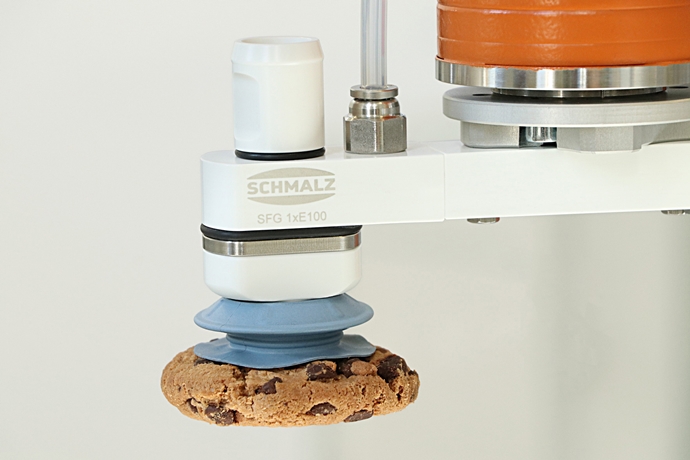
Modular design — same gripper platform reconfigured for different environments. Improves cost efficiency and deployment flexibility.
Lightweight and compact — moving away from heavy, bulky hardware toward grippers that are both powerful and robot-compatible across a wider range of platforms.
Sustainable materials — energy-efficient, eco-friendly gripper materials gaining traction in line with broader sustainable manufacturing trends.
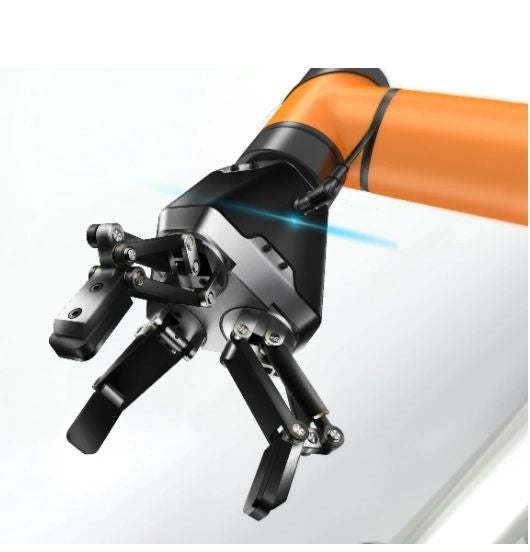
Adaptive / multi-finger grippers — humanoid robot hands operating like human hands, delivering strong performance in complex tasks including electronic component assembly and precision medical procedures.
3. Five Gripper Types Worth Knowing✨
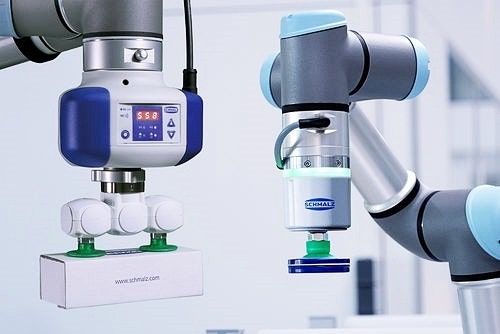
✅ Vacuum gripper: Flat, smooth-surfaced objects — logistics packaging
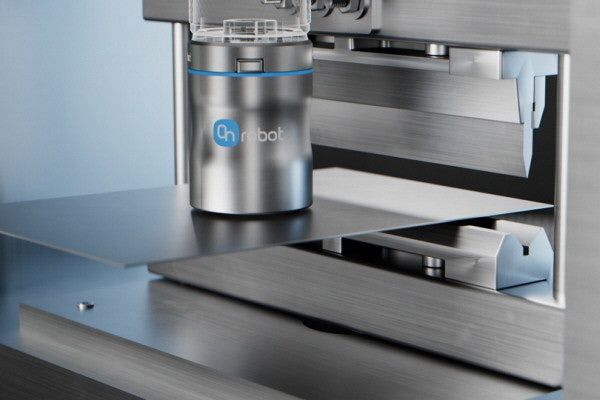
✅ Magnetic gripper: Metal components — stable assembly operations
✅ 2-finger parallel gripper: General-purpose tasks — simple, versatile design

✅ Soft gripper: Fragile or irregular objects — food, delicate products
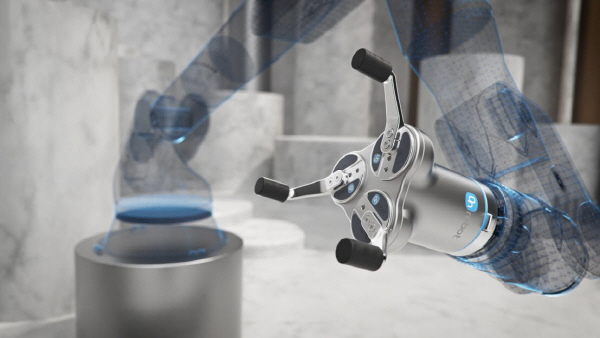
AI-based smart grippers and biomimetic designs are actively in development — expanding what's possible at the end of the robot arm.
Selecting the right gripper requires matching task purpose, material characteristics, and robot compatibility. The right match turns a capable robot into a highly efficient one.
For safe and productive robot deployment, contact Safetics.