Remember AlphaGo vs. Lee Se-dol in 2016? Less than a decade later, AI doesn't just think — it moves.
A renowned Chinese cuisine master is set to face off against an AI-powered humanoid robot in a cooking contest.
The pace of robot development is unmistakable.
1. Origins of the Robot
In the late 15th century, Leonardo da Vinci sketched a "mechanical knight" capable of moving its arms, head, and jaw — laying conceptual groundwork for what would follow.
The word robot itself first appeared in Czech playwright Karel Čapek's 1921 play R.U.R. (Rossum's Universal Robots), describing artificial humanoid machines built to replace human labor. The earliest real industrial robots were purpose-built for exactly that: replacing humans in repetitive or hazardous factory tasks.
2. The First Industrial Robot
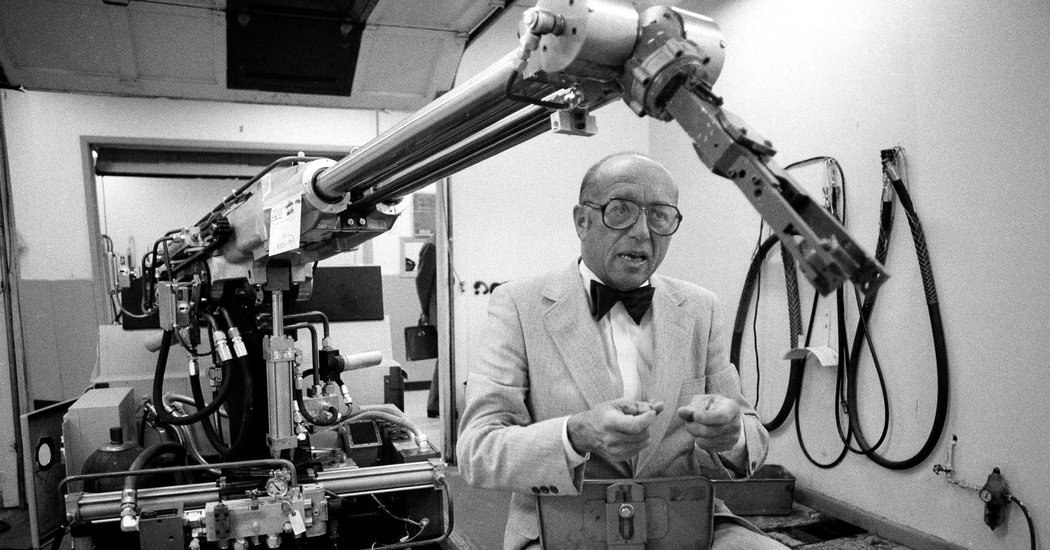
In 1959, George Devol and Joseph Engelberger invented Unimate — a programmable robotic arm still recognizable in modern derivatives — and delivered it to GM. The introduction of industrial robots dramatically improved factory efficiency and safety.
At the time, these machines were dubbed "programmable transfer devices": capable only of moving objects from point A to point B, nothing more.
3. From Industrial Robot to Collaborative Robot
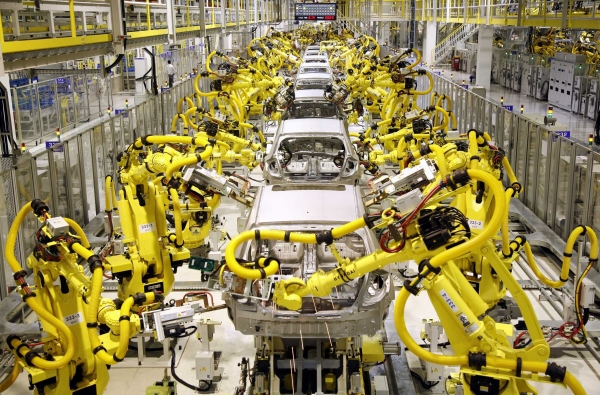
Early industrial robots required safety fencing and complete physical separation from humans — functional, but not collaborative. Heavy hardware, specialist operators, and high capital costs added further barriers.

Universal Robots (UR), headquartered in Denmark, dismantled these barriers by building a lighter, more affordable, user-friendly manipulator — eliminating the need for safety fencing. The result: the world's first collaborative robot (cobot), launched in 2008.
4. Cobot Market Expansion

UR continued developing cobots with greater payload capacity and reach. As collision detection improved and costs fell, market demand surged and a global ecosystem of cobot manufacturers emerged.
In Korea, Hyundai Robotics, Doosan Robotics, and Rainbow Robotics are among the leading developers accelerating cobot development.
Converging pressures — rising labor costs, an aging workforce, and rapid AI advancement — are driving cobot adoption at unprecedented speed.
5. Cobots Embrace AI
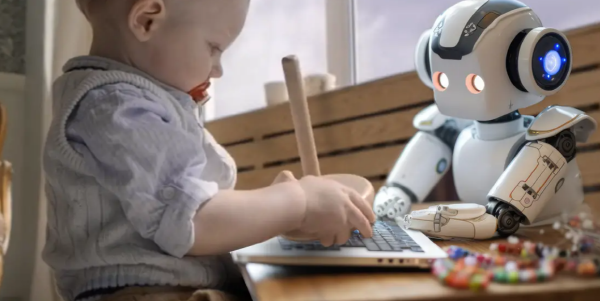
AI integration has brought humanoid robots from science fiction to near-term reality.
AI-powered cobots are now deployed across firefighting, education, food preparation, and other service domains — handling tasks beyond human capability or tolerance.
The chef-versus-humanoid contest is a product of this trajectory.
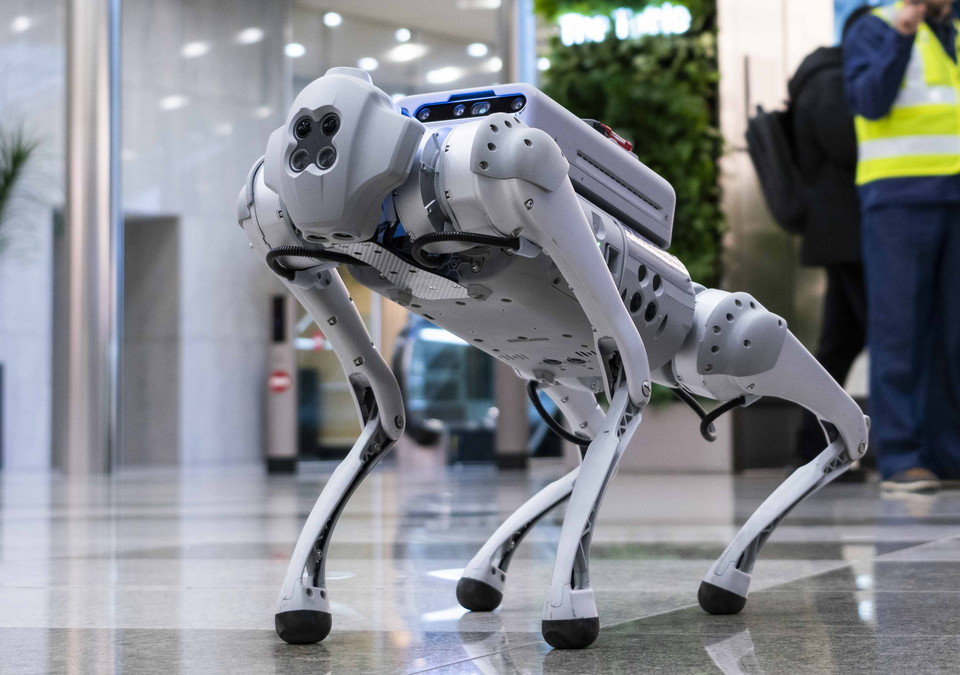
Regardless of who wins the cooking battle, the point stands: humanoids are, at their core, collaborative robots built to assist and improve human life.
As robots permeate daily life at accelerating speed, one question becomes critical: how do we guarantee safety when humans and machines share the same space? Robots are machines — and safe human-robot collaboration requires verified, certified safety.
That's where Safetics comes in. We're committed to building a world where humans and robots work together safely.