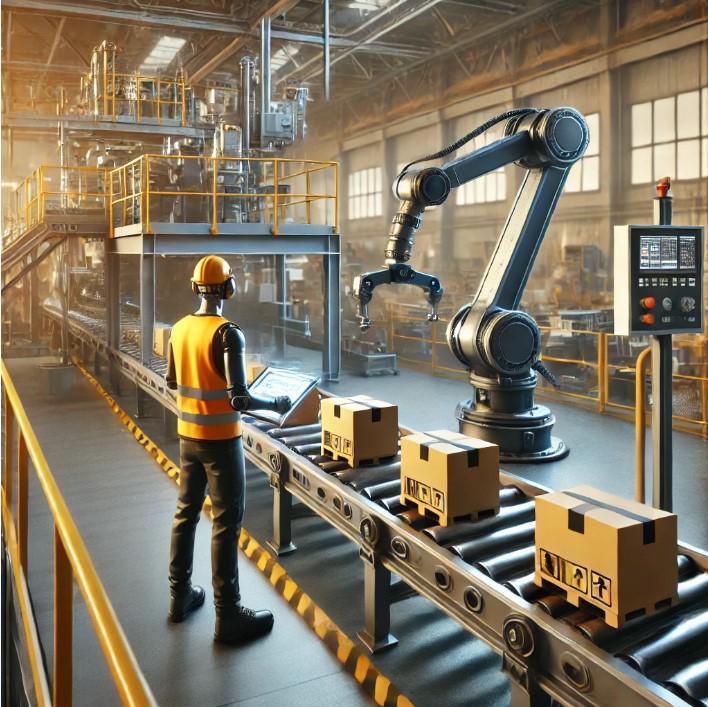
Safety is the foundation of any human-robot shared workspace. This post compares Power and Force Limiting (PFL) with conventional safeguarding approaches — and explains why PFL represents a fundamental shift.
1. What Is PFL?⚙️
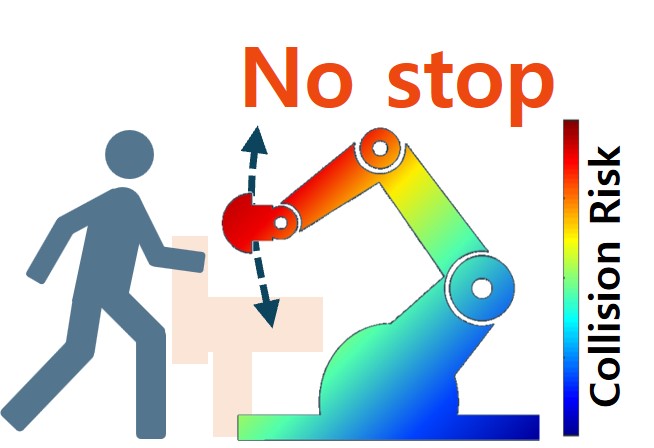
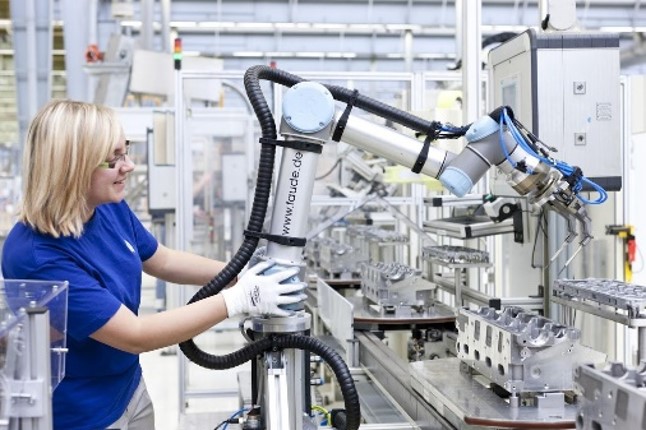
PFL constrains a cobot's output force and speed to levels that cannot cause injury, even during direct human contact. The robot continues operating without interruption as people work nearby — enabling genuine fence-free collaboration.
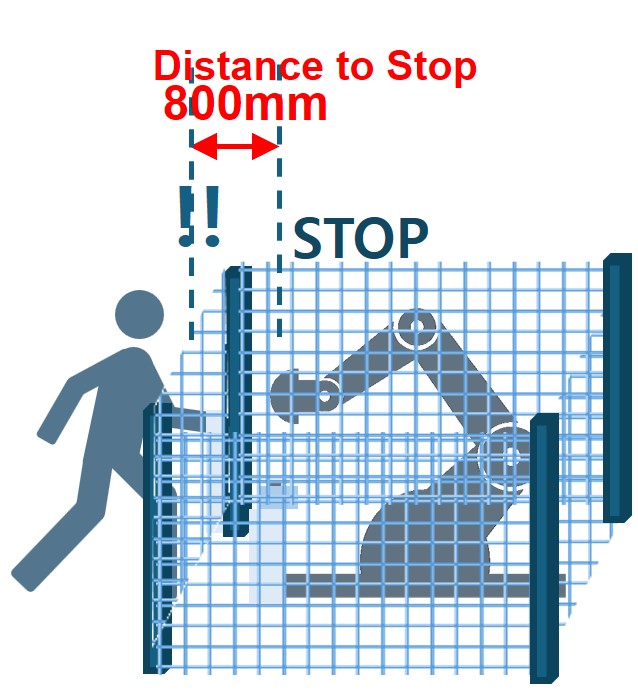
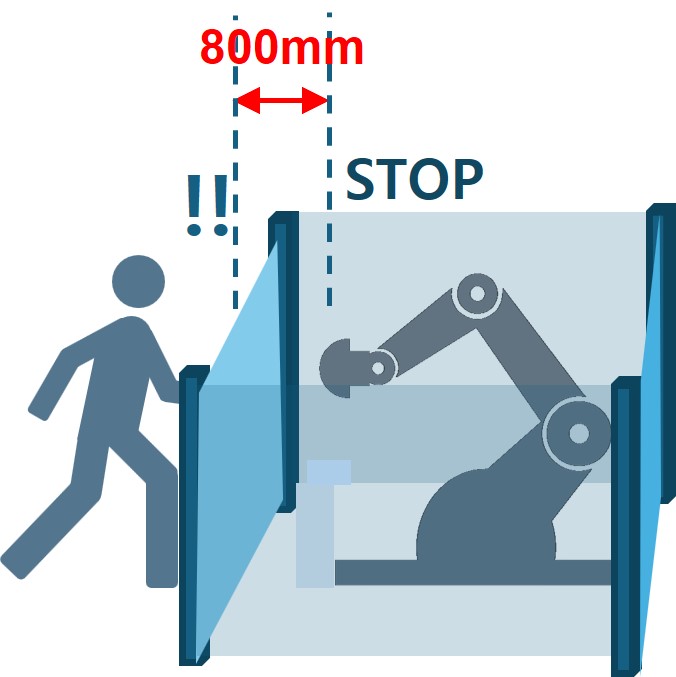
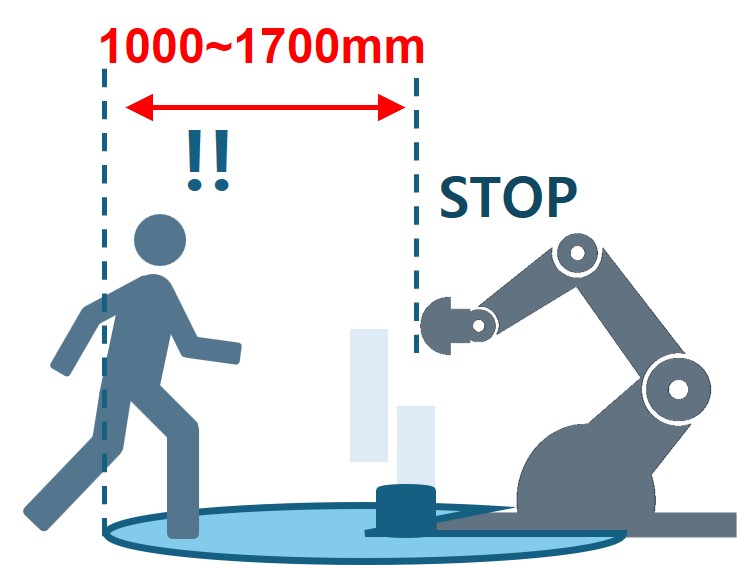
2. Conventional Safeguarding: Fences🚧& Sensors🛑
Traditional industrial robot safety relies on physical separation:
- Fixed guards (fences) — Barriers of 1.8 m or more prevent operator access to the robot cell. Any intrusion triggers an automatic protective stop.
- Optoelectronic protective equipment (OPE) — Two types:
- Safety light curtains — Act as a virtual fence; breaking the beam stops the robot.
- Safety-rated laser scanners — Monitor a defined zone; detecting a person triggers a stop.
In both cases, human proximity equals robot stoppage — and installation requires dedicated floor space.
3. PFL vs. Conventional Safeguarding: Key Differences 💡
Genuine collaboration
Conventional safeguards physically separate humans and robots; contact means shutdown. PFL eliminates this boundary — operators work alongside cobots continuously, enabling true human-robot collaboration rather than sequential alternation.
Space efficiency
Fences and scanners demand dedicated installation footprint. PFL requires none, freeing that space for an additional cobot or productive use — directly improving layout efficiency and output capacity.
4. Core Advantages of PFL 🌟
1️⃣ Safety assurance: Contact force limited below biomechanical threshold limits at all times; immediate stop on collision detection
2️⃣ Space efficiency: No physical safeguard footprint required; space reallocated to productive use
3️⃣ Productivity: No interruptions from operator proximity; throughput maintained continuously
5. PFL as the Future of Robot Safety 🚀
PFL supersedes conventional safeguarding by removing the fundamental trade-off between safety and productivity. As human-robot collaboration grows more complex across industries, PFL adoption and further development will accelerate accordingly.
Implement PFL mode with ease through Safetics' SafetyDesigner. ✨